
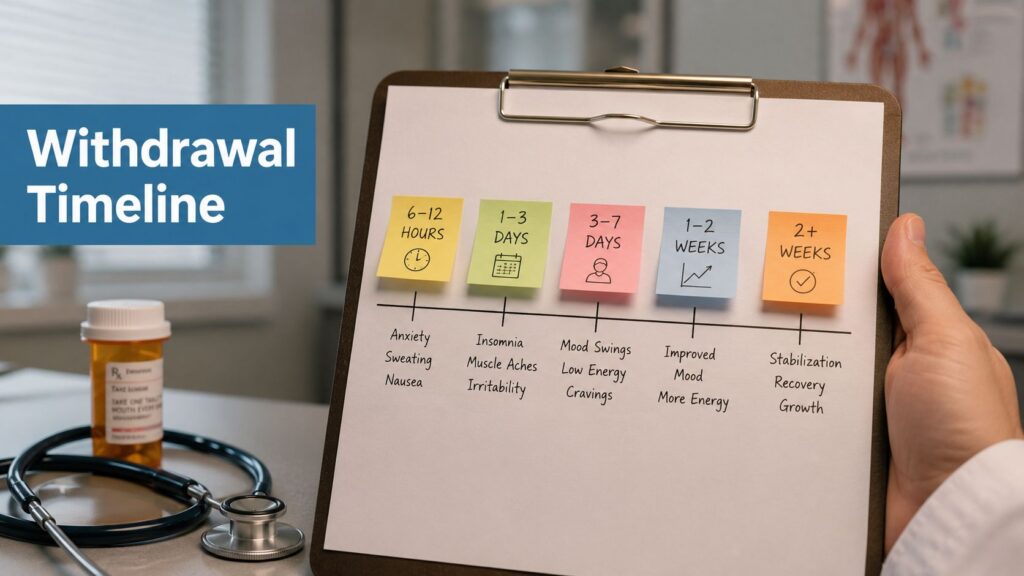
Gabapentin withdrawal typically begins 12 to 48 hours after the last dose, acute symptoms often peak around days 3 to 5, and many symptoms largely resolve within 1 to 2 weeks, though some psychological symptoms can last longer. For someone in Dallas who stopped suddenly and now feels shaky, anxious, sick, or unable to sleep, that pattern can feel frighteningly fast, but it also follows a recognizable course that should be managed safely.
A common scenario goes like this. Someone takes gabapentin as prescribed for nerve pain, seizures, restless legs, or another condition. Then the prescription runs out, the dose is cut back too quickly, or the person decides to stop because it “isn't a big deal.” Within a day or two, the body starts reacting. Sleep gets worse. Anxiety spikes. Nausea, sweating, headaches, tremors, and a sense that something is very wrong can appear without much warning.
That experience doesn't mean weakness, failure, or addiction by itself. It often means the nervous system adapted to the medication and is now struggling to rebalance. The practical question isn't whether withdrawal is “real.” It is. The practical question is how to get through it safely, especially when there may be a seizure history, co-occurring substance use, or underlying anxiety or chronic pain in the background.
For families in Dallas, Highland Park, Oak Lawn, Plano, Irving, Arlington, Fort Worth, and the wider DFW area, the safest path is usually a medically guided taper or detox plan instead of trying to white-knuckle it at home. That approach reduces confusion, lowers risk, and gives the person a clear next step instead of another night of worsening symptoms.
Table of Contents
- Understanding Gabapentin Use and Physical Dependence
- The Gabapentin Withdrawal Timeline From Start to Finish
- Common Gabapentin Withdrawal Symptoms You May Experience
- Factors That Influence Your Withdrawal Experience
- Why Medical Detox for Gabapentin Is the Safest Path
- Finding Gabapentin Detox Help in Dallas Texas
- Your Next Steps Toward Lasting Recovery
Understanding Gabapentin Use and Physical Dependence
Someone can stop gabapentin expecting little to happen, then wake up feeling restless, nauseated, sweaty, and unable to settle down. That reaction is confusing because gabapentin isn't always thought of the way people think about opioids or alcohol. But the body doesn't care about labels. It responds to what it has adapted to.

Gabapentin is a prescription medication commonly used for seizure-related conditions, nerve pain, and some other neurologic symptoms. Over time, regular use can lead to physical dependence, which means the nervous system has adjusted to the medication being present. Physical dependence is not the same thing as addiction. A person can become physically dependent while taking the medication exactly as directed.
How dependence develops
The nervous system likes stability. When gabapentin is taken consistently, the brain and body adapt around that pattern. If the medication is suddenly reduced or stopped, the nervous system can become overactive while trying to recalibrate.
That is why withdrawal can show up as both physical discomfort and emotional distress. The person may feel sick, panicky, sleepless, or unusually sensitive to stress. Families often mistake this for the original medical problem returning immediately, but sometimes it's the body reacting to the abrupt change.
Practical rule: Dependence is a medical issue, not a character issue. Shame delays treatment and makes the process harder.
Why withdrawal catches people off guard
A lot of people never receive a detailed explanation of discontinuation risk when they start gabapentin. Others assume a non-opioid prescription can be stopped without much trouble. That misunderstanding leads people to taper too fast, skip doses, or quit cold turkey.
For family members, one useful outside resource is this article on recognizing drug addiction for professionals. It helps frame the broader difference between prescription use, problematic use, and the signs that a higher level of care may be needed.
What actually helps
The most reliable approach is clinical evaluation before making changes. A clinician looks at why gabapentin was prescribed, how long it has been used, whether other substances are involved, and whether mental health symptoms could complicate withdrawal.
What doesn't work well is guessing. Cutting the dose inconsistently, waiting until symptoms become severe, or trying to “push through” with no support often leads to more instability and a greater chance of relapse or medical complications.
The Gabapentin Withdrawal Timeline From Start to Finish
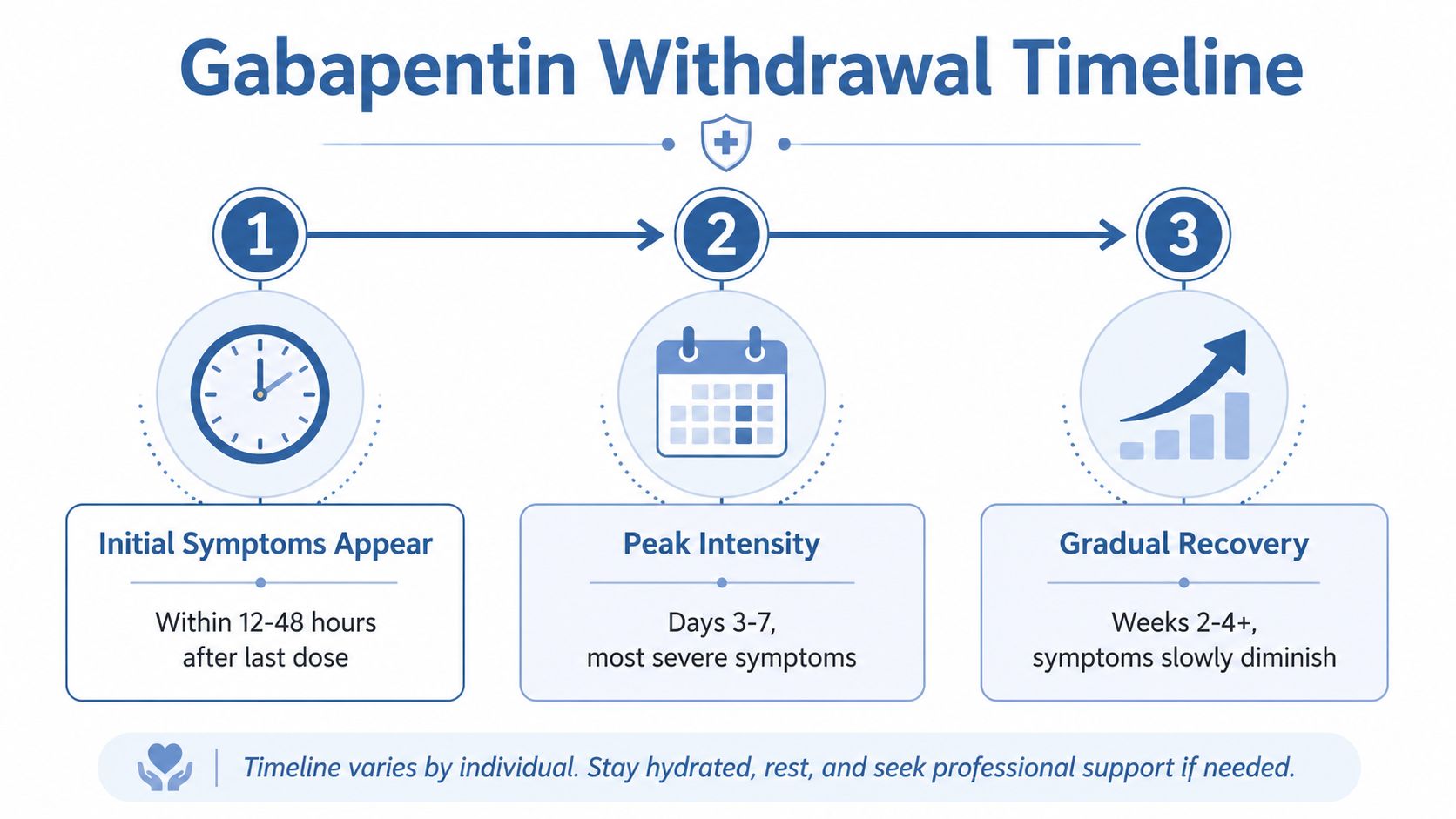
A clear gabapentin withdrawal timeline can lower panic because it gives the person and family a roadmap. The key point is that withdrawal tends to move in phases. Those phases vary in intensity, but the sequence is often familiar enough that clinicians can plan around it.
Onset
Symptoms often begin within 12 to 48 hours after the last dose. For some people, the first signs are subtle. Sleep becomes lighter. Anxiety rises. There may be a sense of inner restlessness, sweating, headache, nausea, or irritability.
This early phase matters because it can tempt people to self-medicate. Someone may reach for alcohol, extra pills, or another sedating substance just to get through the night. That usually makes the situation harder to untangle.
Acute Phase
After onset, withdrawal usually becomes more obvious. The body starts sending clearer signals that it is under stress. A person may have trouble eating, resting, or functioning normally. Concentration gets worse, and ordinary stress feels amplified.
The acute phase is often when families realize this isn't just “being uncomfortable.” It may look like a mix of flu-like illness, panic, sleep deprivation, and rebound symptoms tied to the original reason gabapentin was prescribed.
Withdrawal rarely follows a perfectly neat schedule. Even so, a phase-based plan helps clinicians respond early instead of chasing symptoms after they escalate.
Peak Symptoms
Peak intensity often shows up around days 3 to 5. This is usually the hardest stretch. If a person is going to feel overwhelmed, this is often when it happens.
Common problems in the peak window include stronger anxiety, insomnia, nausea, tremors, sweating, mood swings, headaches, and a general sense that the nervous system is “revved up.” If gabapentin was used in the context of seizure management, this period deserves extra caution.
| Phase | What it often feels like |
|---|---|
| Early onset | Uneasy, restless, hard to sleep |
| Acute escalation | More physical discomfort and mental strain |
| Peak window | Symptoms feel loud, unpredictable, and exhausting |
| Early recovery | Distress starts easing, but energy may stay low |
Resolution
Many acute symptoms largely settle within 1 to 2 weeks. That doesn't mean a person feels fully back to normal right away. It usually means the sharpest edge of withdrawal begins to soften.
During resolution, sleep may still be irregular. Mood can remain fragile. Appetite and concentration often improve slowly rather than all at once. This gradual improvement can sometimes discourage people who expected to feel well as soon as the worst symptoms passed.
Protracted Withdrawal
Some psychological symptoms can persist beyond the acute period. The most common lingering issues are often anxiety, low mood, sleep disturbance, irritability, and a sense that the nervous system still isn't fully calm.
That doesn't automatically mean something is going wrong. It does mean follow-up care matters. The person may need continued support, medication review, therapy, or treatment for a co-occurring condition instead of assuming the entire problem is “just withdrawal.”
Common Gabapentin Withdrawal Symptoms You May Experience
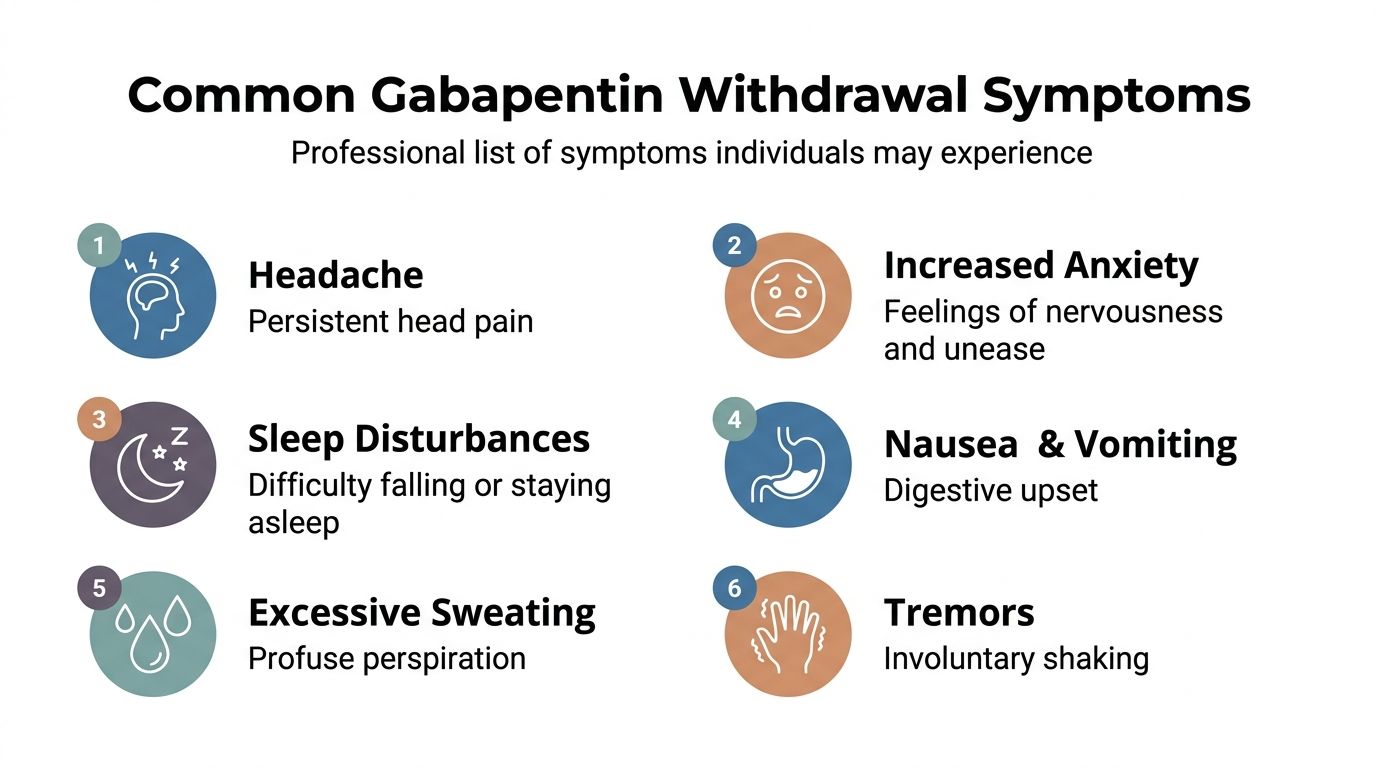
The symptom picture can be broad. Some people mainly struggle with sleep and anxiety. Others feel it in the body first, with sweating, nausea, headaches, and tremors. Most experience a mix.
Physical symptoms
These symptoms often push people to seek help first because they feel immediate and disruptive.
- Headaches: Persistent head pain can show up early and worsen when sleep is poor.
- Nausea and stomach upset: Some people feel queasy, lose appetite, or have trouble keeping food down.
- Sweating and chills: The body may swing between feeling hot, clammy, or shaky.
- Tremors: Hands or the whole body may feel unsteady.
- Fatigue: Sleep loss and nervous system stress can leave the person drained.
- Muscle discomfort: Aches, tension, or a flu-like heaviness can appear.
Psychological and emotional symptoms
For many people, the mental side is just as hard as the physical side. It can also be the part families misunderstand.
- Anxiety: This may feel like constant unease, panic, or dread with no off switch.
- Insomnia: Trouble falling asleep, staying asleep, or waking up agitated is common.
- Irritability: Small frustrations can feel much bigger than usual.
- Low mood: A person may feel flat, discouraged, or emotionally raw.
- Poor focus: Reading, working, or following a conversation may become difficult.
- Rebound distress: The original symptoms that led to the prescription may seem to surge back.
Severe anxiety during withdrawal is not “overreacting.” It is often a sign that the nervous system is under real strain.
When symptoms need urgent attention
Some symptoms need more than reassurance. They need immediate medical assessment.
- Seizure activity: This is an emergency.
- Severe confusion: Disorientation, inability to track surroundings, or major cognitive changes need prompt care.
- Hallucinations: Seeing or hearing things that aren't there signals a higher-risk withdrawal course.
- Suicidal thoughts: Any thoughts of self-harm require urgent help.
- Inability to keep fluids down: Dehydration can quickly make withdrawal more dangerous.
A practical mistake is trying to sort severe symptoms out at home for too long. If a person looks medically unstable or mentally unsafe, the safest move is immediate professional support.
Factors That Influence Your Withdrawal Experience
No two people move through gabapentin withdrawal the same way. That is why rigid online advice often fails. The timeline gives a framework, but the actual experience depends on several variables.
Medication and use history
Dose, frequency, and duration all matter. People who have taken gabapentin regularly for a longer period often need a more deliberate taper. Abrupt discontinuation usually creates a rougher landing than a structured reduction.
Another major factor is whether gabapentin was taken alone or alongside other central nervous system depressants. Mixed substance use changes the risk profile and can make symptoms harder to predict.
For readers who want a deeper look at discontinuation strategy, this guide to tapering off gabapentin is useful because it focuses on the logic behind a slower, individualized reduction.
Personal health factors
Underlying mental health conditions can intensify withdrawal. Anxiety disorders, depression, trauma-related symptoms, and chronic sleep problems often make the process feel more severe. A history of seizures or neurologic conditions raises the stakes even more.
Age, general medical health, nutrition, hydration, and sleep debt also shape how the body responds. A person who is already physically depleted usually has less resilience during withdrawal.
Why self-detox often goes off track
The common home-detox pattern is inconsistency. The person cuts too quickly, feels worse, takes extra doses to compensate, then tries to stop again. That cycle creates confusion and can make it hard to tell whether symptoms come from withdrawal, the original condition, or another substance.
A better approach is individualized assessment, a stable taper plan when appropriate, and monitoring that can adjust the plan if symptoms escalate. Withdrawal isn't only about endurance. It is about timing, safety, and accurate interpretation of what the body is doing.
Why Medical Detox for Gabapentin Is the Safest Path
Trying to stop gabapentin cold turkey can create a situation that becomes unmanageable fast. The person often starts with confidence, then ends up sleep deprived, frightened, physically ill, and tempted to use something else for relief. That is exactly where avoidable emergencies and relapse risk increase.
Cold turkey versus supervised care
Stopping suddenly leaves the nervous system to absorb the full shock of the change. For some people, that means escalating anxiety and insomnia. For others, it can mean severe confusion, neurologic instability, or seizure-related risk.
Supervised detox changes the equation. Instead of waiting for symptoms to spiral, clinicians monitor the person, evaluate changes in real time, and respond before the situation worsens.
A useful overview of that process is this explanation of what medical detox is. It helps families understand why detox is not just “a place to stay,” but a medical setting designed to reduce danger.
What medical detox actually provides
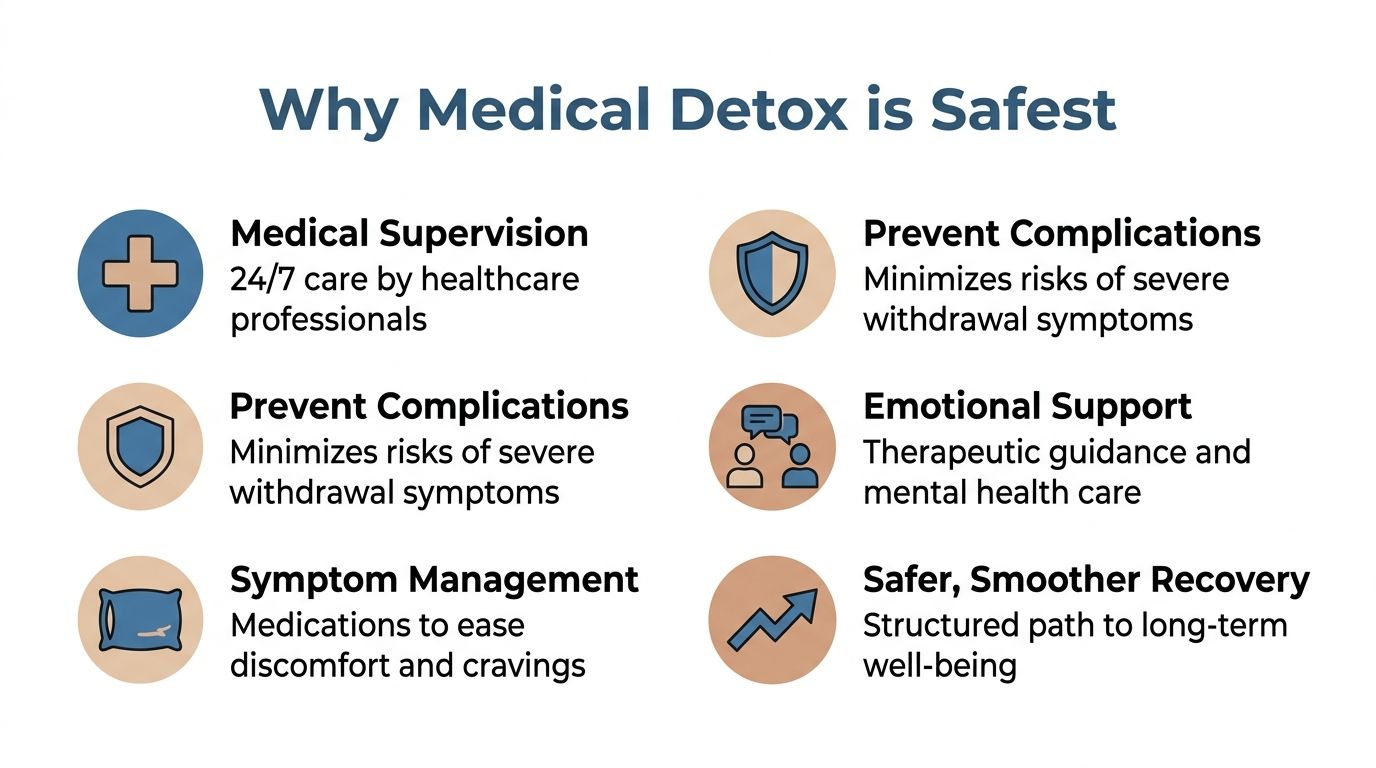
Medical detox works because it addresses both the body and the context around withdrawal.
- Clinical monitoring: Staff can watch for warning signs that a family might miss, including worsening neurologic symptoms, dehydration, severe agitation, or mental health deterioration.
- Symptom management: A supervised setting may use medications and supportive care to reduce discomfort and stabilize sleep, nausea, anxiety, and autonomic symptoms.
- Safer tapering decisions: If tapering is appropriate, clinicians can guide the pace instead of relying on guesswork.
- Dual diagnosis support: If depression, anxiety, trauma, or another mental health condition is part of the picture, treatment can address both problems together.
- Trigger reduction: A structured environment lowers access to alcohol, pills, and other substances people often use impulsively when symptoms intensify.
Clinical reality: The best detox plan is the one that can be adjusted quickly when the person's symptoms don't follow the expected script.
What doesn't work well is trying to build a medical plan out of internet advice, family observation, and sheer willpower. Families can provide support, but they can't replace round-the-clock clinical judgment.
In the Dallas area, that distinction matters. Someone in acute withdrawal may look “mostly okay” at midday and then become much more unstable by night. Medical detox exists for that exact problem.
Finding Gabapentin Detox Help in Dallas Texas
For people in Dallas, Fort Worth, Euless, Grapevine, Bedford, Irving, Plano, and surrounding North Texas communities, location matters more than many families expect. When withdrawal gets worse, convenience becomes safety. Long delays, confusing intake processes, and uncertainty about insurance often cause people to back out and keep suffering at home.

What Dallas area families should look for
Not every Dallas detox center is equally prepared for prescription medication withdrawal. Families should ask direct questions and listen for direct answers.
- Medical oversight: Is there real clinical monitoring, or just general supervision?
- Taper planning: Can the team evaluate whether tapering is safer than abrupt discontinuation?
- Mental health support: Can the program address anxiety, depression, trauma, or other co-occurring issues?
- Care continuity: What happens after detox ends?
- Insurance help: Will staff verify benefits and explain options clearly?
For a practical preview of the process, this article on medically supervised detox in Dallas and what to expect gives a useful local overview.
Why local access matters
Withdrawal often doesn't leave much room for planning. A person may say in the morning that they can handle it, then by evening be unable to sleep, eat, or think clearly. In that state, a nearby addiction treatment program in Dallas or the DFW area is easier to enter than a distant option that requires more logistics.
Families who are trying to understand the broader question of timing may also find this guide to addiction detox length helpful. It gives general context for why detox timelines differ by substance and by person.
When to make the call
The right time to reach out is often earlier than individuals realize. It isn't necessary to wait until symptoms become extreme. If someone has stopped gabapentin and is already anxious, shaky, sleepless, nauseated, confused, or at risk of using other substances to cope, that is enough reason to contact a Dallas detox center.
A good admissions conversation should feel calm, confidential, and practical. The family should come away knowing what the next few hours could look like, what level of care may be appropriate, and how to move forward without guessing.
Getting help early often prevents the exact crisis families are trying to avoid.
For many Dallas families, the best next step is simple. Call, describe the complete medication history, mention any seizure history or co-occurring substance use, and ask for a clinical screening. Verifying insurance early also removes one of the biggest barriers to treatment.
Your Next Steps Toward Lasting Recovery
Detox is the first stabilization step. It is not the whole recovery plan. Once the body is safer and the withdrawal crisis is under control, the focus shifts to the reasons the medication became difficult to stop in the first place.
Detox is the beginning, not the whole plan
Some people need residential treatment after detox because their symptoms, relapse risk, or home environment make outpatient care too fragile. Others do well in outpatient treatment if they have a stable place to live, reliable support, and close follow-up.
Longer-term recovery often includes therapy, medication review, relapse-prevention planning, sleep support, and treatment for depression, anxiety, trauma, or chronic pain. Without that next layer, people often mistake temporary stabilization for full recovery and end up back in the same cycle.
For families outside Texas who are helping loved ones compare options in different regions, this resource to find your Lakeland FL rehab options can be a useful example of what to look for in a treatment program.
A simple next-step checklist
- Call for a clinical assessment: Get professional guidance before symptoms worsen.
- Be honest about all substances: Alcohol, benzodiazepines, opioids, and sleep medications change detox planning.
- Mention mental health history: Anxiety, depression, trauma, and seizure history all matter.
- Ask about the full continuum of care: Detox should connect to rehab, therapy, and aftercare.
- Let family help with logistics: Insurance verification, transportation, and communication are easier when someone supportive is involved.
Recovery is realistic, even when the person feels overwhelmed right now. The safest path is the one that treats withdrawal as a medical event and long-term healing as a structured process.
If gabapentin withdrawal has started or stopping feels unsafe, Tru Dallas Detox & Recovery Center can help with confidential guidance, medically supervised detox, insurance verification, and a clear path into continued treatment in the Dallas-Fort Worth area. Reach out now to speak with a compassionate team member and take the next safe step toward recovery.
