
Medical detox is the essential first step on the road to recovery. It’s a carefully managed medical process focused on one thing: safely clearing harmful substances from your body while managing the intense symptoms that come with withdrawal.
This isn't about just stopping. It's about stopping safely, with a team of healthcare professionals guiding you every step of the way.
Key Takeaways
- Safety is Paramount: Medical detox provides a secure, controlled environment to handle dangerous withdrawal symptoms from substances like alcohol or benzodiazepines.
- Expert Medical Supervision: You are monitored 24/7 by doctors and nurses who manage symptoms and respond to emergencies, ensuring your well-being.
- Comfort Through Medication: FDA-approved medications are used to ease withdrawal discomfort, reduce cravings, and prevent severe complications like seizures.
- The Critical First Step: Detox addresses the physical dependency, stabilizing you so you can effectively engage in the psychological healing of rehab.
- A Foundation for Recovery: Detox is not a cure for addiction; it is the necessary beginning of a longer journey that includes therapy and ongoing support.
Understanding The Medical Detox Process
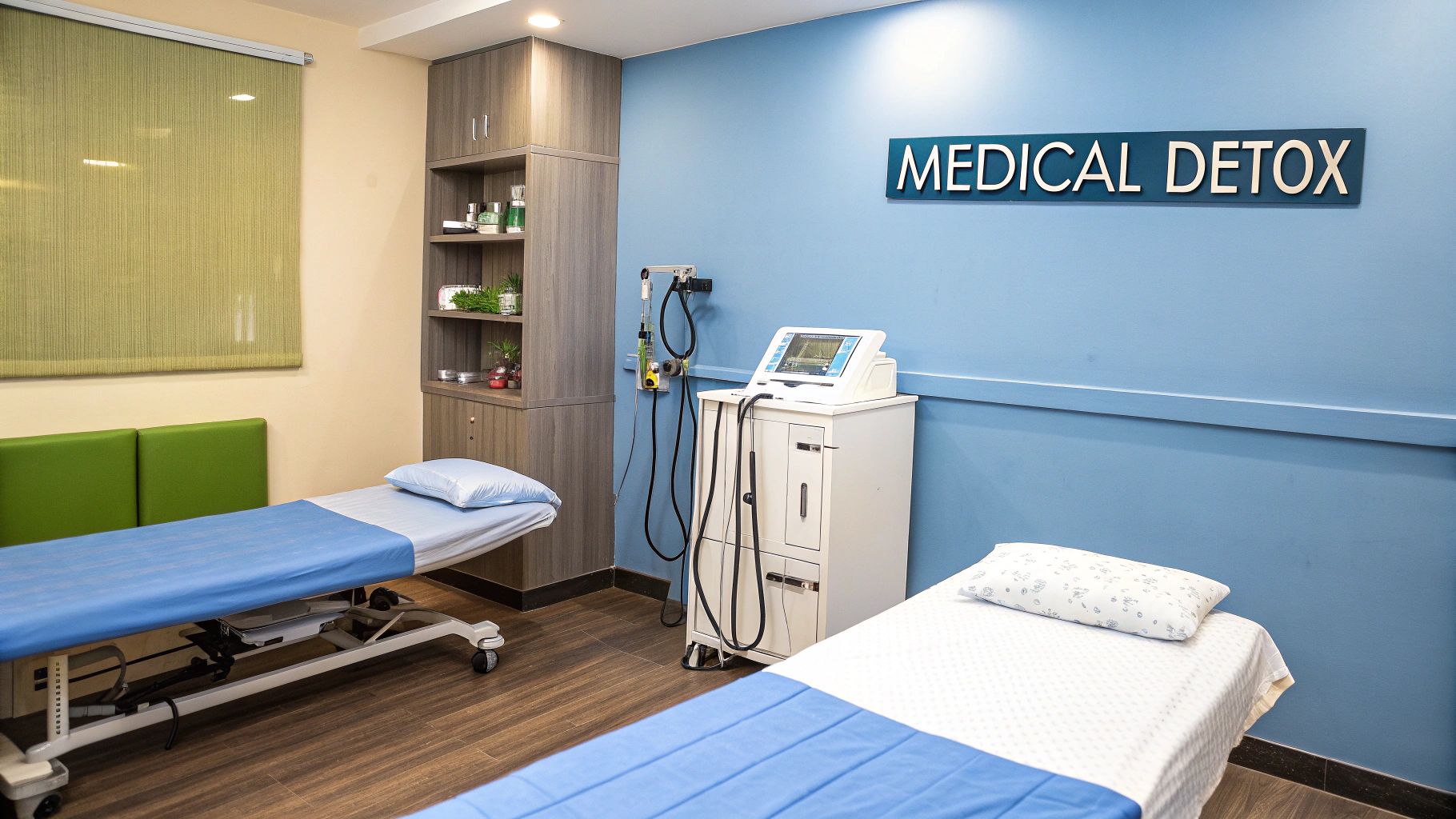
Think of it this way: trying to quit certain substances on your own is like attempting to navigate a treacherous mountain pass in a storm, alone and without a map. Medical detox provides you with an experienced guide, the right equipment, and a safe shelter to weather the worst of it.
For substances like alcohol, benzodiazepines, and opioids, this guidance isn't just a comfort—it's a critical safety net. Going "cold turkey" can trigger severe, and sometimes life-threatening, medical complications. The whole point of a professionally managed detox is stabilization. We focus on getting you physically stable and mentally sound so you're ready for the real work of recovery that comes next.
Why Professional Supervision Is A Non-Negotiable
Attempting to detox at home is a gamble you don’t want to take. The withdrawal symptoms from some substances can quickly escalate from uncomfortable to a full-blown medical emergency.
- Alcohol Withdrawal: This can cause tremors, but it can also lead to dangerous seizures and delirium tremens (DTs), a severe and terrifying state of confusion and hallucinations.
- Opioid Withdrawal: The intense muscle pain, nausea, and agitation are often so overwhelming that the risk of relapse is incredibly high just to make it stop.
- Benzodiazepine Withdrawal: Abruptly stopping can trigger extreme anxiety, panic attacks, and life-threatening seizures, similar to alcohol withdrawal.
A medical detox facility provides the 24/7 care and medications needed to keep these symptoms under control, ensuring your safety from start to finish.
A Critical First Step, Not a Cure
It's important to have the right perspective. Medical detox is the essential first step, but it doesn't cure addiction on its own. It’s the process that gets you through the acute withdrawal phase safely, creating a stable foundation for the real healing to begin in therapy and rehabilitation.
Recognizing the need for this professional help is a huge move toward recovery. If you're on the fence, it might be helpful to read about the top signs you or a loved one may need medical detox. This is all about putting safety first to build a lasting recovery.
Medical Detox vs At-Home Detox A Safety Comparison
The decision of where to detox can have life-or-death consequences. The table below breaks down the stark differences between a supervised medical environment and trying to go it alone.
| Feature | Medical Detox | At-Home Detox ('Cold Turkey') |
|---|---|---|
| Supervision | 24/7 monitoring by doctors & nurses. | None. You are completely alone. |
| Symptom Management | Medications to ease pain, nausea & anxiety. | No access to prescription medications. |
| Emergency Response | Immediate medical intervention available. | High risk of delayed or no help. |
| Seizure Risk | Medications used to prevent seizures. | Unmanaged and potentially fatal risk. |
| Relapse Prevention | Supportive environment reduces cravings. | Overwhelming cravings often lead to relapse. |
| Nutritional Support | IV fluids & tailored nutrition provided. | Dehydration and malnutrition are common. |
| Psychological Support | On-site counselors for emotional distress. | Isolation can worsen anxiety & depression. |
As you can see, the support and safety measures in a medical facility are designed to manage every aspect of withdrawal, while at-home attempts leave a person dangerously exposed.
The Three Stages of the Detox Journey
It helps to think of medical detox not as a single event, but as a structured, three-part process. Each stage has a specific job: to safely guide you from physical dependence to a stable place where you’re ready for the real work of recovery. This journey is methodical, ensuring every part of your well-being is looked after.
This whole process is built on a foundation of compassionate, expert care. It’s a world away from the chaotic and often dangerous experience of trying to quit "cold turkey." Instead, it offers a predictable and supportive path forward.
Stage One: Evaluation
The journey always begins with a thorough Evaluation. This is where your dedicated medical team gets to know you—not just your addiction, but you. It’s far more than a simple check-in; it’s a deep dive into your unique circumstances to build a care plan that actually fits.
This initial assessment will typically cover:
- A complete review of your medical history and your history with substance use.
- Screenings for any co-occurring mental health conditions, like anxiety or depression, which often go hand-in-hand with addiction.
- Blood tests to get a clear picture of your overall physical health.
This first step is all about making sure your detox plan is precisely tailored to your needs, which is key to maximizing both safety and comfort right from the start.
Stage Two: Stabilization
Next up is Stabilization, and this is really the heart of the medical detox process. During this phase, your body starts the work of clearing itself of the substance. As it does, withdrawal symptoms will begin to appear. The entire goal here is to keep you safe and as comfortable as possible while your body finds its footing again.
The medical team uses proven, FDA-approved medications to manage withdrawal. This isn't about trading one drug for another; it's a targeted medical intervention designed to prevent severe complications, like seizures, and ease the intense cravings and discomfort that can make quitting feel impossible.
This is where having 24/7 medical supervision truly shows its value. A dedicated team is constantly monitoring your vital signs and can adjust your care in real-time. They’re there to provide both medical intervention and crucial emotional support, day or night.
The infographic below breaks down the core principles of managing this critical phase.
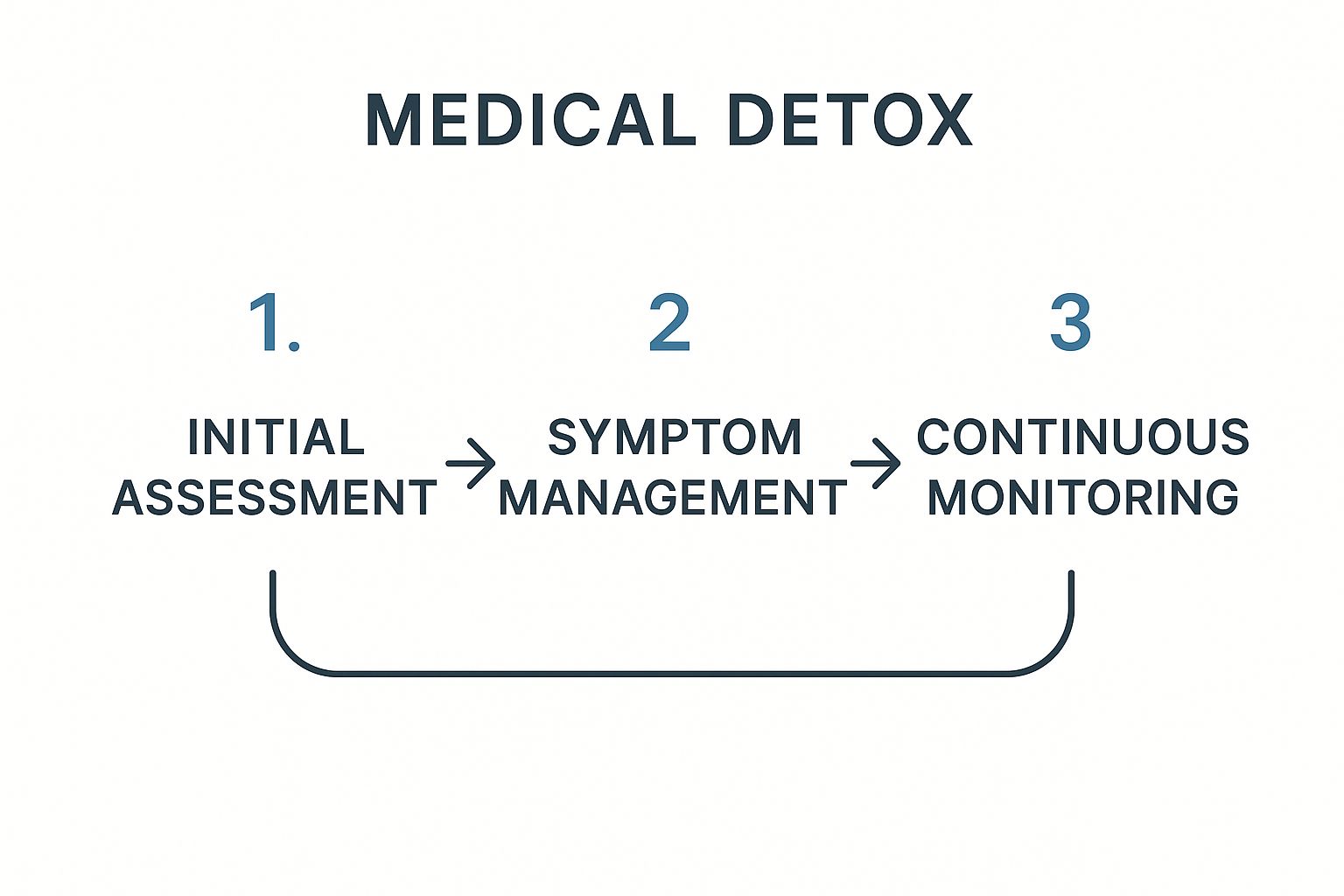
As you can see, every action taken during stabilization is part of a continuous loop: assess, manage, and monitor. This cycle ensures your safety is always the top priority.
Stage Three: Transition
Finally, you’ll enter the Transition stage, which is all about preparing you for what comes next. Once your body is stable and the worst of the withdrawal has subsided, the focus shifts to creating a solid plan for long-term recovery. Detox handles the physical side of things, but lasting change means getting to the root causes of the addiction.
This stage is absolutely vital because it builds the bridge from detox to ongoing treatment. In the United States, at least 300,000 patients receive inpatient detoxification services each year, a number that highlights a growing understanding that detox is just the first step. You can read more about how substance abuse treatment services have evolved from the National Center for Biotechnology Information.
Your care team won’t just send you on your way. They’ll connect you with the right resources—whether that’s inpatient rehab, a partial hospitalization program (PHP), or individual therapy—to help you build a strong foundation for a sober future.
What to Expect: Withdrawal Symptoms and Timelines
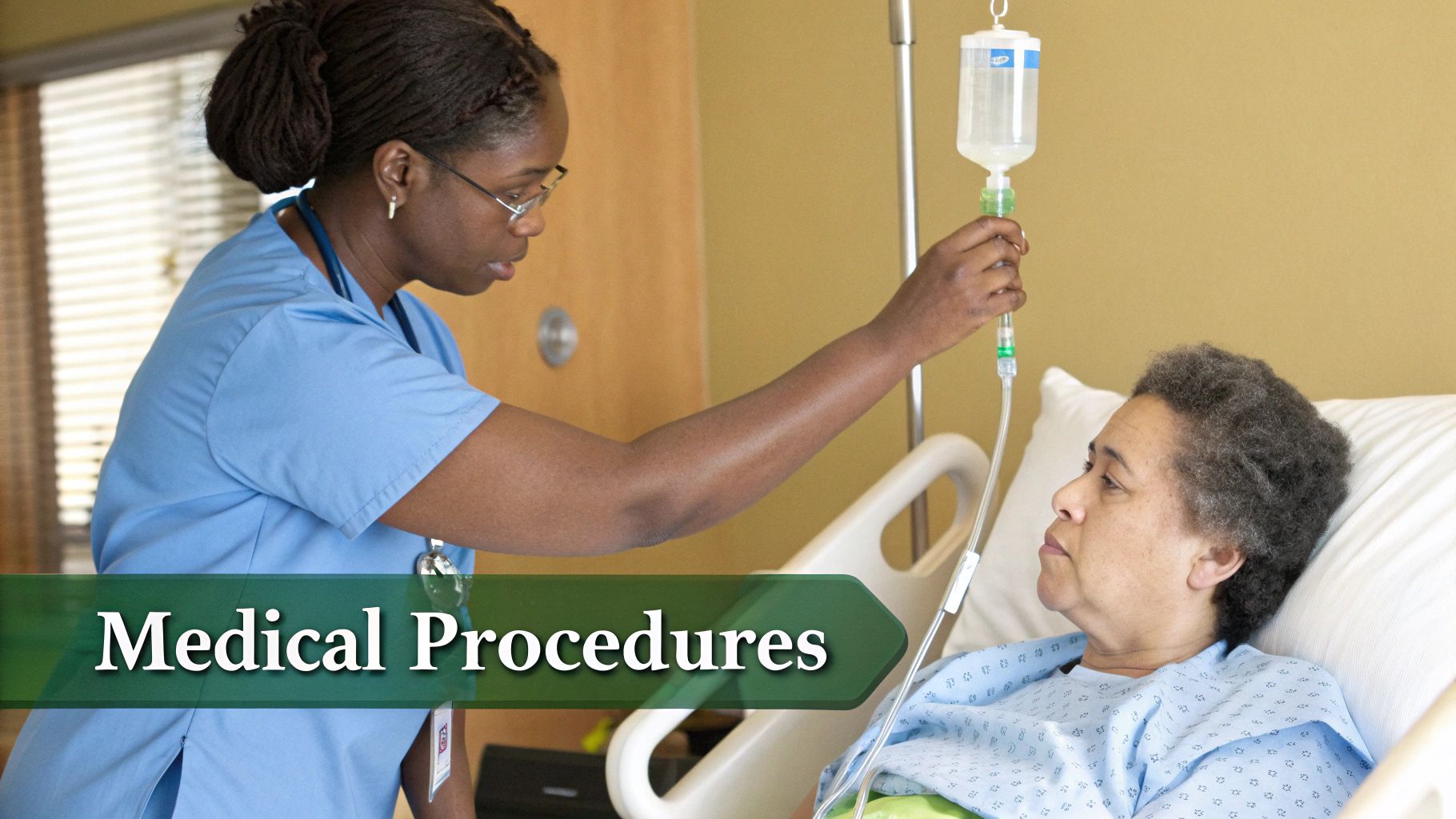
Let's be honest—one of the biggest fears surrounding detox is the unknown. What will withdrawal actually feel like? How long is this going to take? While everyone’s journey is different, we can map out a general path. Understanding what to expect can take a lot of the fear away and show you exactly why medical supervision isn't just a good idea—it's essential.
Withdrawal is simply your body's response when a substance it has come to rely on is suddenly gone. The symptoms can be anything from deeply uncomfortable to dangerously severe, and it all depends on the substance used, how long it was used, and your personal health.
Common Withdrawal Timelines
Even though the experience is unique to you, the timeline for most substances follows a predictable arc: symptoms appear, they build to a peak, and then they slowly start to fade.
-
Alcohol: You’ll likely start feeling the first effects within 6 to 12 hours after your last drink. The worst of it, including things like severe anxiety, shaking, and nausea, usually hits around the 24 to 72-hour mark. For a much deeper dive, check out our guide on the alcohol detox timeline and symptoms.
-
Opioids (like Heroin, Fentanyl, or Painkillers): Withdrawal can kick in anywhere from 8 to 24 hours after the last dose. It often feels like a brutal flu, complete with muscle aches, sweating, and a restlessness that makes it impossible to get comfortable. These symptoms tend to peak within 72 hours.
-
Benzodiazepines (like Xanax or Valium): This is a trickier one. Symptoms might not show up for a few days, and the withdrawal can last much longer. The peak often doesn't arrive until the second week and can bring severe anxiety and a very real risk of seizures.
This is precisely why having a 24/7 medical team is the only safe way to go. These professionals know the timelines inside and out. They’re trained to step in and manage symptoms before they spiral out of control.
The Two Sides of Withdrawal: Physical and Psychological
Getting through detox isn’t just a physical fight; it’s a huge mental and emotional battle, too. A proper medical detox facility is equipped to handle both.
A professional detox program is about so much more than medication. It's a safe haven, a controlled space where you're shielded from relapse triggers and given support for the intense psychological storm. That emotional support is just as important as managing the physical side of things.
Let's break down what you might experience on both fronts.
Common Physical Symptoms
- Nausea, vomiting, and diarrhea
- Deep aches in your muscles and bones
- Headaches and tremors (the "shakes")
- Alternating between sweating and getting the chills
- Racing heart and high blood pressure
Common Psychological Symptoms
- Overwhelming anxiety and panic attacks
- Crushing depression and wild mood swings
- Feeling irritable and agitated over everything
- Insomnia, often with vivid or disturbing dreams
- Intense, all-consuming cravings for the substance
Trying to face this combination of physical pain and emotional turmoil on your own can feel impossible. It’s what drives so many people back to using, just to make it stop. A medical team provides medications to ease the physical symptoms and therapeutic support to help you navigate the mental challenges, making the entire process not just safer, but much more bearable. This foundation of support gives you the strength and stability to see it through to the other side.
A Day in a Medical Detox Center

The idea of checking into a detox center can feel pretty intimidating, especially if all you have to go on are dramatic portrayals from movies. Let’s be real—the reality is a whole lot different. These facilities are built to be calm, structured, and genuinely supportive places where your only job is to focus on healing.
To pull back the curtain, let’s walk through what a typical day actually looks like. This isn’t about a rigid, demanding schedule. Think of it as a gentle rhythm designed around your physical and emotional needs, always prioritizing your comfort and safety as you navigate the first steps of recovery.
Morning: Medical Check-Ins and Nourishment
Your day will likely start quietly with a nurse checking in on you. They’ll take your vitals, ask how you’re feeling, and make sure you have any medications needed to ease withdrawal symptoms. This consistent, professional oversight is what makes medical detox so safe.
After that, the focus shifts to nourishing your body. You'll get a healthy, balanced breakfast to start replenishing vital nutrients. The rest of the morning is usually dedicated to rest, giving your body the peaceful space it needs to begin healing itself.
Afternoon: Gentle Healing and Light Activities
Throughout the day, medical staff will continue to monitor you, ensuring you're comfortable and staying hydrated. Nutritious meals and snacks are a huge part of the process, helping you regain your physical strength.
Once you start feeling a bit stronger, you might be invited to participate in some light activities. This isn't about diving into intense therapy; it's about gentle, supportive engagement when you feel ready.
- One-on-One Counseling: You’ll have a chance to meet with a therapist to talk privately about how you’re doing and just begin to think about what comes next.
- Optional Group Sessions: These are low-pressure, therapist-led groups. If you feel up to it, they’re a great way to connect with others who truly get what you’re going through.
- Quiet Reflection: Many people find comfort in just having time to read, journal, or simply relax in a peaceful environment, free from the triggers and stress of the outside world.
The entire experience is designed to be humanizing. It's not a cold, clinical process. Seeing what a day is like shows that medical detox is really the first empowering step on a compassionate, supportive path to getting better.
This daily structure provides a sense of normalcy and purpose, which can be incredibly grounding when everything else feels chaotic. It’s a constant reminder that you are in a safe place, with people who are there to help you heal.
What to Expect From Your Stay
- A Comforting Routine: Having a gentle daily schedule creates stability and predictability when you need it most.
- Constant Medical Care: Your health is the top priority. A professional team monitors you around the clock to ensure you're safe and as comfortable as possible.
- A Focus on Healing: The whole environment—from the quiet atmosphere to the nutritious food—is set up to help your body recover.
- Gentle Engagement: As you feel better, you’ll have opportunities for light therapy and connection, but it's always on your terms. No pressure.
- A Human-Centered Approach: This is about compassionate care. Detox is a supportive first step, not a punishment.
How Medication-Assisted Treatment Keeps You Safe
One of the cornerstones of a truly effective medical detox is Medication-Assisted Treatment, or MAT. This isn't some experimental idea; it's a science-backed approach using specific, FDA-approved medications to make withdrawal profoundly safer and more manageable.
There’s a common myth that MAT is just swapping one addiction for another. Nothing could be further from the truth.
Think of it this way: if someone has diabetes, a doctor prescribes insulin to manage a dangerous biological imbalance. In the same way, clinicians use MAT to stabilize the life-threatening chaos that withdrawal unleashes on the body. These medications work by rebalancing brain chemistry, curbing overwhelming cravings, and heading off severe medical complications before they start.
The Right Medication for the Right Job
The clinical expertise behind MAT is what makes it work. Different substances throw the body into different kinds of turmoil, so the medical support has to be just as specific. The entire goal is to build a safe, effective plan that’s customized for you—it’s precision medicine, not a one-size-fits-all guess.
- For Opioid Withdrawal: To combat the brutal, flu-like agony and relentless cravings of opioid withdrawal, clinicians often use medications like buprenorphine. This eases the physical misery that makes it feel impossible to quit.
- For Alcohol Withdrawal: Here, the stakes can be even higher. A carefully managed and tapered dose of a benzodiazepine can prevent life-threatening seizures and delirium tremens (DTs), a terrifying and potentially fatal condition.
This is exactly why trying to detox on your own is so risky. Some medications are for getting you through the immediate, acute crisis, while others are designed to help with long-term cravings. It’s a strategic process that builds a bridge to the next stage of recovery. To dig deeper, you can learn more about how medication-assisted treatment works in our detailed guide.
MAT isn’t a substitute for recovery; it’s the medical foundation that makes lasting recovery possible. By getting the physical crisis under control, it creates the stability you need to start healing psychologically.
Answering a Desperate Need
The need for safe, accessible detox has never been more urgent. The sad reality is that far too many people who need help never get it. A national survey found that only about 13% of adults with a substance use disorder received any treatment in the past year.
This treatment gap is especially tragic when you look at the numbers. Drug overdose deaths nearly tripled in the U.S. between 1999 and 2015, and opioids were responsible for 63% of those losses. You can read more about these treatment statistics and trends. MAT is a direct response to this crisis, offering a proven, reliable way for people to get through the most dangerous part of their recovery journey alive.
The Bottom Line on Medical Detox
So, what's the most important thing to remember about medical detox? If you only take away a few key ideas, let them be these. This is the core of what medical detox is and why it's such a critical first step.
-
Safety First, Always. Let's be clear: detox isn't a cure for addiction. Think of it as the emergency room for withdrawal. Its entire purpose is to get you through the dangerous physical part safely, in a controlled setting, so you can avoid serious medical complications.
-
Professional Oversight is a Must. Quitting certain substances like alcohol or benzodiazepines "cold turkey" isn't just difficult—it can be deadly. That’s why 24/7 professional supervision isn't just a nice-to-have; it's essential for managing life-threatening risks like seizures.
-
It’s a Three-Step Journey. The process isn't random. It follows a clear and proven path: first, a thorough evaluation to map out your specific needs. Then comes stabilization, where the team manages your symptoms. Finally, there's a guided transition into the next phase of your long-term treatment.
-
Medication is Medicine, Not a Replacement. When we talk about medication-assisted treatment (MAT), we're talking about using specific medical tools to keep you comfortable and prevent a crisis. It’s not about swapping one addiction for another; it's about using medicine to make the process safer.
-
It’s the First Step, Not the Last. Detox clears the way. By stabilizing you physically, it gives you the strength and clarity needed to dive into the real work of recovery—the therapy, counseling, and self-discovery that builds a foundation for a life free from substance use.
Have More Questions? We Have Answers.
It's completely normal to have a lot of questions when you're thinking about medical detox. This is a big step, and you deserve clear, straightforward answers. Let's tackle some of the most common concerns we hear from people just like you.
How Long Will I Be in Detox?
There’s no single answer to this, but most people can expect to stay for about 5 to 10 days. Think of it less like a fixed sentence and more like a personalized recovery period.
The actual timeline really depends on you. Factors like what substance was being used, for how long, and your overall physical health all play a part. The medical team's job is to create a plan that fits your specific situation, making sure you’re medically stable and through the toughest part of withdrawal before you move on.
Does Insurance Actually Cover This?
Yes, almost always. Health insurance providers recognize that medical detox isn't an elective luxury—it's a critical medical service for treating substance use disorder. Because of this, most major insurance plans offer coverage.
Of course, it's smart to double-check the details. The best way to get a clear picture is to call your insurance provider. Even better, the admissions staff at the treatment facility can do the heavy lifting for you by verifying your benefits and explaining exactly what your plan covers. It makes the whole process a lot less stressful.
What Do I Need to Pack for My Stay?
The simple answer? Not much. The goal is to create a calm, focused environment, so packing light is the way to go. Focus on comfort and the absolute essentials.
Here’s a quick checklist to get you started:
- Comfortable Clothes: Think sweatpants, t-shirts, hoodies—enough for several days. You're there to heal, not to make a fashion statement.
- Basic Toiletries: Pack your toothbrush, toothpaste, and shampoo, but make sure everything is alcohol-free. The facility will check this.
- Important Documents: You’ll need your ID and insurance card to get checked in.
- Key Contacts: Bring a list of important phone numbers you might need, like for family members or legal contacts.
What should you leave behind? Anything valuable or distracting. This means jewelry, laptops, and other electronics. The idea is to disconnect from the outside world for a little while so you can fully connect with your own healing process.
Frequently Asked Questions About Medical Detox
Why can't I just detox at home?
Detoxing at home, or "cold turkey," can be extremely dangerous for certain substances like alcohol and benzodiazepines. Withdrawal can cause life-threatening complications, including seizures and delirium tremens. A medical detox facility provides 24/7 monitoring and medications to manage these risks, ensuring your safety throughout the entire process.
Is medical detox painful?
The primary goal of medical detox is to make the withdrawal process as comfortable and safe as possible. While some discomfort is normal, the medical team uses proven medications to manage pain, reduce anxiety, control nausea, and prevent severe symptoms. It is significantly less painful and safer than quitting on your own.
What happens after medical detox is complete?
Detox is the essential first step, not the cure. After you are medically stabilized, the next step is to transition into a comprehensive addiction treatment program, such as inpatient rehab, a partial hospitalization program (PHP), or an intensive outpatient program (IOP). This is where you will address the psychological and behavioral aspects of addiction to build a foundation for long-term recovery.
Will my insurance cover medical detox?
In most cases, yes. Medical detox is considered a medically necessary service for treating substance use disorder. Most major health insurance plans, including private insurance, Medicare, and Medicaid, provide coverage. It's always best to contact the detox facility's admissions team to verify your specific benefits.
How long does medical detox usually take?
The duration of detox varies for each person, but a typical stay is between 5 to 10 days. The exact timeline depends on several factors, including the type of substance used, the duration and frequency of use, and your individual physical and mental health. The medical team will create a personalized plan to ensure you are fully stabilized before moving on.