
When you leave the structured environment of detox or rehab, the world can feel overwhelming. Sober living homes in Texas are designed to be that crucial next step—a supportive, substance-free space that acts as a bridge back to everyday life.
These aren't treatment centers or hospitals. Instead, think of them as a safe place to land, where you can practice the tools you learned in recovery while navigating real-world responsibilities alongside people who get it.
Key Takeaways
- A Bridge, Not a Bubble: Sober living homes connect the structured world of inpatient treatment with the freedom of independent living.
- Focus on Life Skills: Unlike rehab's clinical focus, these homes emphasize peer support, accountability, and real-world routines.
- Structure is Key: House rules, like curfews and required meetings, provide the framework needed to build and maintain healthy habits.
- Community is Everything: Living with others on the same path creates a powerful support system that is vital for preventing relapse.
- Do Your Homework: The right home for you depends on its rules, location, and the specific kind of support it offers for your recovery journey.
Your Guide to Sober Living in Texas
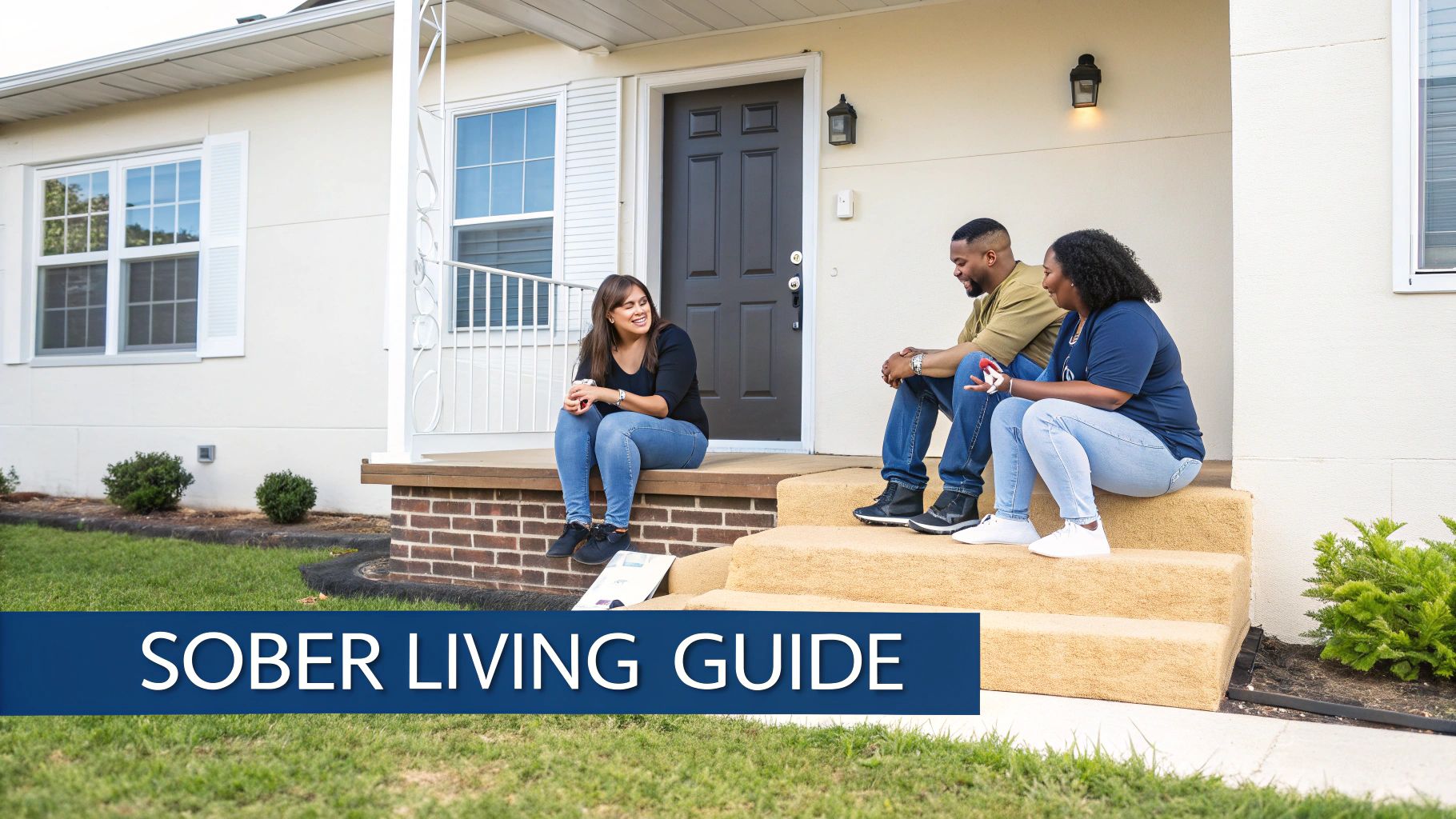
Stepping out of a highly structured treatment program is a huge moment, but it’s also a vulnerable one. This is where a sober living Texas home comes in. It provides a community-focused environment where you can build a new routine, grounded in sobriety, before you’re completely on your own.
The focus shifts from the intensive therapy of rehab to practical, day-to-day living. Residents are expected to take on personal responsibility—that means paying rent, finding a job or going to school, and pitching in around the house. It's about rebuilding a life, one healthy habit at a time.
The whole point of sober living is to give you a safe, accountable space to make your recovery habits second nature. It's about building a solid foundation before you have to face all of life's triggers and pressures alone.
This structured independence is what makes the model so effective. The mix of firm rules, peer support, and real-world responsibilities drastically cuts down the risk of relapse, giving you a much better shot at building a lasting, sober future.
What Exactly Is a Sober Living Home?
Let’s get one thing straight: a sober living home isn’t another treatment center. Think of it more like a training ground for your new life—a vital, substance-free space that bridges the gap between the structured world of rehab and the overwhelming freedom of going it alone.
This environment is specifically for people who’ve finished detox or a residential program but aren't quite ready to face the world solo. They need a supportive place to put their new recovery skills into practice.
It's a bit like learning to ride a bike. Rehab gives you the bike and teaches you how it works, but a sober living home is like a set of training wheels. It lets you get the feel for balancing on your own, with a safety net in place to catch you if you start to wobble. You get to practice sobriety in the real world, but with structure and a community that has your back.
It’s All About Community and Routine
The real magic of sober living happens in the day-to-day interactions between residents. You’re living alongside others who are on the exact same path, sharing chores, responsibilities, and holding each other accountable. This creates an incredibly powerful dynamic, replacing old, destructive social circles with a new network built on a shared commitment to recovery.
Suddenly, you’re surrounded by people who just get it. They understand the cravings, the anxieties, and the small victories that no one else can.
A sober living home provides the structure you need when you don't yet trust yourself to create it. It’s about building the muscle memory for a sober lifestyle before you have to lift the full weight of independence on your own.
Instead of trying to navigate work stress, social events, and family drama all by yourself, you have a built-in support system. Things like house meetings, shared chores, and requirements to attend 12-step programs create a predictable routine. That consistency is a lifeline when everything else in your life feels chaotic and new.
Putting Recovery into Practice
Rehab is where you learn the theory of sobriety—the why and the how. A sober living home is where you actually put all that knowledge to work. It’s a safe space to test your new coping skills, learn to manage a budget, start mending relationships, and build healthy daily habits.
The whole point is to build real confidence in your ability to live a full, happy life without turning back to drugs or alcohol. This hands-on practice is what makes recovery stick, turning it from an idea you learned in treatment into a reality you live every single day.
Sober Living vs. Rehab and Halfway Houses
When you start looking into recovery options, you'll hear a lot of terms thrown around—sober living, rehab, halfway house. It's easy to get them mixed up, but they are absolutely not the same thing. Each one plays a very different role in the recovery journey, and picking the right one at the right time is critical.
Let’s clear up the confusion.
Key Takeaways
- Distinct Roles: Sober living, rehab, and halfway houses each serve a unique purpose in the recovery timeline.
- Rehab is Clinical: Inpatient rehab provides intensive, medically supervised treatment and detoxification.
- Sober Living is a Bridge: It's a non-clinical, peer-supported environment for practicing real-world sober skills.
- Halfway Houses Differ: They are often government-funded and linked to the justice system, serving a different population than voluntary sober homes.
- Autonomy Varies: The level of personal freedom increases as you move from highly structured rehab to a more independent sober living setting.
Inpatient Rehab: The Clinical Foundation
Think of inpatient rehab as the emergency room for addiction. It’s a highly structured, medically supervised environment where the primary goal is to get you stable. This is where you’ll find 24/7 medical care, detoxification services, and intensive clinical therapy.
Rehab is all about digging into the deep-seated issues behind the substance use with professional therapists and medical staff. It’s the essential first step to build a solid foundation for recovery.
Sober Living: The Bridge to Real Life
If rehab is the ER, a sober living home is the bridge back to everyday life. It's not a clinical treatment facility—there are no doctors or therapists on staff. Instead, it’s a safe, supportive, and substance-free home where you can start putting your new recovery skills into practice.
The focus here shifts from intensive therapy to peer support, personal accountability, and the practical challenges of rebuilding a life. You’re learning to hold down a job, manage your finances, and build healthy relationships, all while surrounded by others who share the same goal.
Halfway Houses: A Different Path
Halfway houses often get lumped in with sober living, but they serve a distinct purpose. While they do provide a drug-free place to live, many are government-funded and connected to the criminal justice system. It’s common for residents to be there as a condition of parole or early release from incarceration.
This key difference changes the entire dynamic. A sober living community is typically built on a voluntary commitment to recovery, creating a powerful environment of shared motivation. Halfway houses, on the other hand, often serve as a mandated step for individuals reintegrating into society from the justice system.
This diagram really helps visualize where sober living fits in.
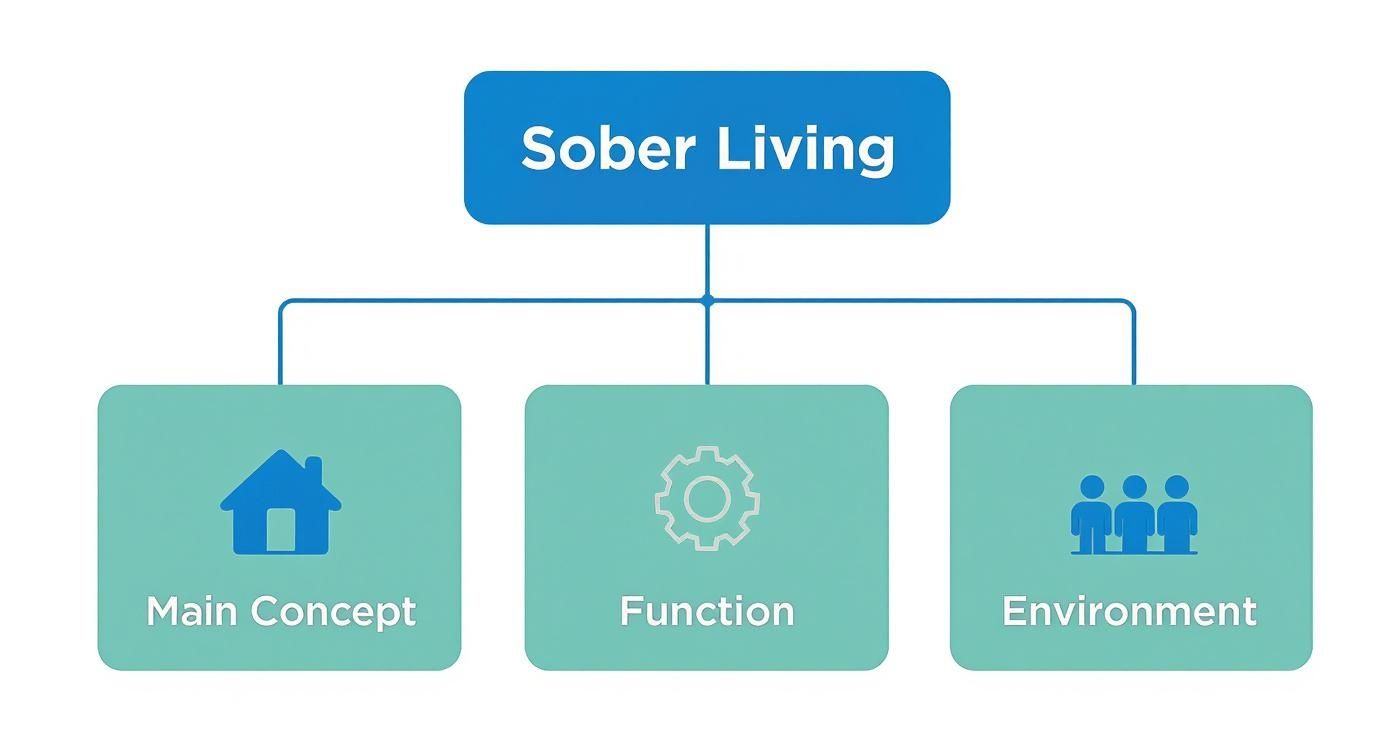
It’s about having a safe home (the concept), learning to handle life on life's terms (the function), and doing it all with the backing of a strong community (the environment).
Comparing Recovery Housing Options in Texas
To make the differences even clearer, let's break them down side-by-side. Each option offers a unique level of structure, clinical support, and personal freedom.
| Feature | Sober Living Home | Inpatient Rehab | Halfway House |
|---|---|---|---|
| Structure | Moderate; residents have rules, curfews, and responsibilities. | High; daily schedules are rigid and closely monitored. | Varies; can be highly structured, often with strict curfews. |
| Clinical Services | None on-site; residents attend outside therapy and meetings. | Intensive; 24/7 medical and therapeutic care provided on-site. | Limited or none; may offer connections to community services. |
| Resident Autonomy | High; residents work, attend school, and manage their time. | Low; focus is entirely on treatment within the facility. | Moderate; residents may have work-release permissions. |
| Primary Goal | Reintegration and practicing recovery in a real-world setting. | Stabilization, detox, and intensive clinical treatment. | Re-entry into society, often from the criminal justice system. |
| Entry Path | Voluntary, usually after completing rehab. | Voluntary or through intervention. | Often court-mandated or a condition of parole. |
Seeing them laid out like this highlights why a person's specific needs determine the right choice. There’s no one-size-fits-all solution; it's about matching the level of support to where someone is in their recovery.
The Daily Structure and Rules in Texas Sober Homes
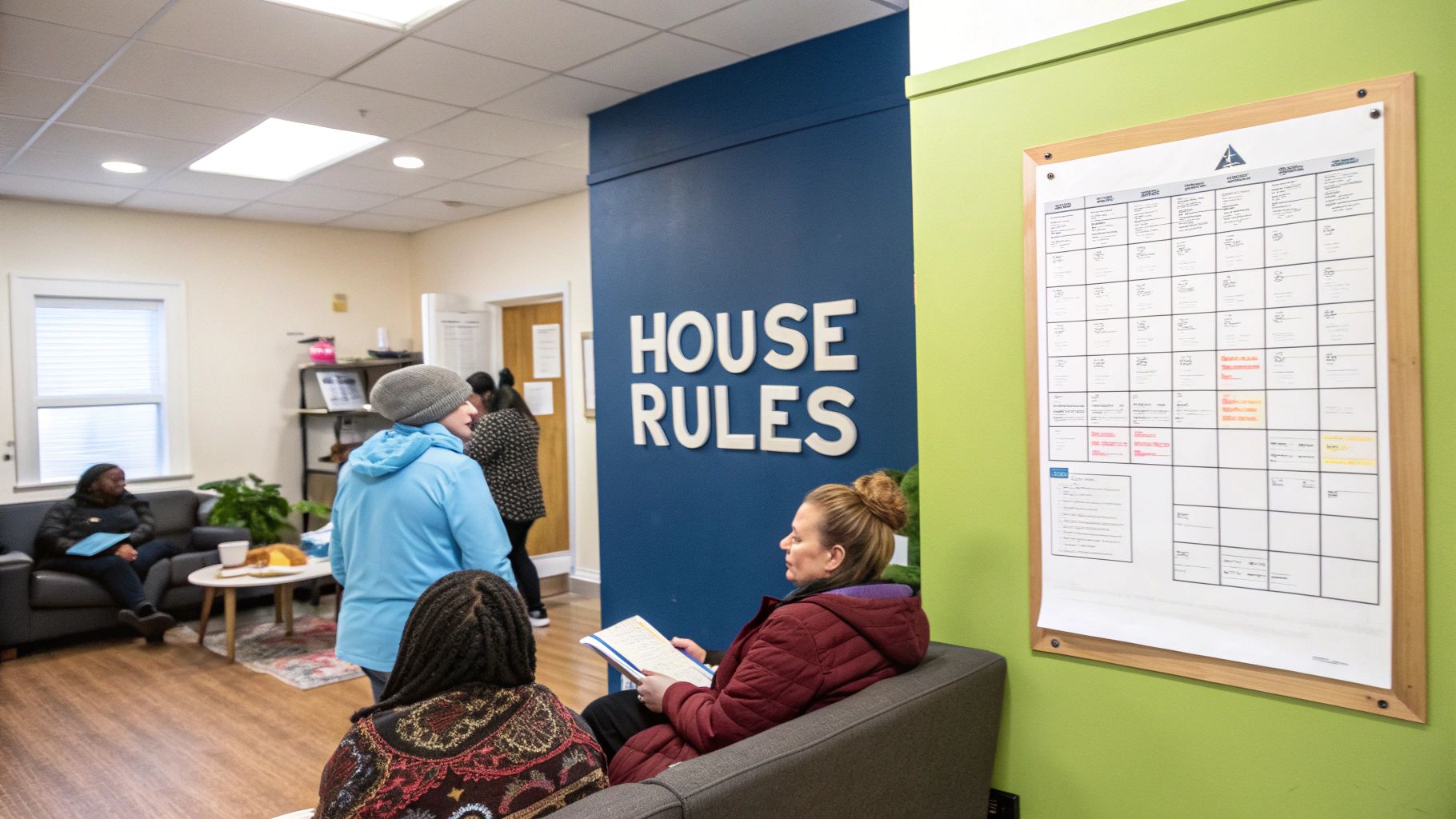
When you move into a sober living Texas home, you’re signing up for structure. This isn't about being punished; it's about getting the external framework you need to rebuild your own internal discipline. After living in the chaos of active addiction, a predictable daily routine can feel like a lifeline—it’s a powerful tool for healing and finding your footing again.
These rules are all about creating a safe, stable, and completely substance-free environment. The goal is to give every single resident the space to focus on their recovery without unnecessary drama or distractions. Each expectation is there for a reason, whether it’s about fostering personal responsibility or making the entire house a stronger community.
"Structure and routine are the guardrails of early recovery. They keep you on the right path when your own willpower is still being rebuilt, ensuring that every day is a step forward."
Of course, the most critical rule of all is absolute sobriety. There's a zero-tolerance policy for drugs and alcohol, and it's not taken lightly. Expect regular, random drug testing. This is a non-negotiable that protects the physical and emotional safety of everyone in the house, creating a space where recovery can actually happen.
Key Takeaways
- Structure Creates Safety: The rules in a sober living home provide a predictable and safe environment, which is exactly what you need in early recovery.
- Sobriety is Non-Negotiable: A zero-tolerance policy, backed by regular drug testing, is the cornerstone rule that protects the entire community.
- Accountability is a Group Effort: Rules about chores, curfews, and meetings are upheld by staff and peers alike, fostering a culture of mutual responsibility.
- Rules Rebuild Life Skills: Daily expectations are a practical way for residents to relearn discipline, manage their time, and show respect for others.
- Participation is Mandatory: Residents must stay engaged in work, school, or recovery activities, which helps prevent idleness and promotes a productive new lifestyle.
Common House Expectations
Daily life is guided by a clear set of rules that everyone agrees to follow from day one. While the fine print might change from one house to another, most quality sober living homes in Texas operate on a similar set of core standards.
- Mandatory Meetings: You'll almost always be required to attend a certain number of 12-step meetings, like AA or NA, each week. This is essential for building a support network that extends beyond the walls of your home.
- Curfews: Yes, there’s a nightly curfew. It's a simple rule, but it helps lock in a healthy sleep schedule and makes sure everyone is home and safe, which adds to the overall sense of security and routine.
- Household Chores: Everyone pitches in. Sharing the responsibility for keeping the house clean and orderly teaches accountability and builds mutual respect for the shared living space.
- Active Participation: You can't just sit around. Residents are expected to be actively working, going to school, or volunteering. This keeps you productive and moving toward financial independence—two huge pieces of rebuilding a stable life.
The Purpose Behind the Rules
These aren't just arbitrary dos and don'ts; they are practical, hands-on tools for rebuilding character and life skills. If you want to dig deeper, you can learn more about the rules and expectations in sober living homes and see exactly how they connect to recovery goals.
Take mandatory house meetings, for example. They are absolutely crucial for bonding as a community. They create a space to talk through conflicts, support each other through tough times, and keep one another accountable. By showing up and participating, residents learn how to communicate in a healthy way and forge the kind of solid relationships that are vital for long-term sobriety. Every rule is designed to work together, creating an environment where positive change isn't just a possibility—it's the expectation.
How a Sober Living Environment Boosts Recovery
Leaving the structured world of rehab can be a shock to the system. You’re suddenly faced with all the freedom—and all the triggers—of everyday life. This is where a sober living environment makes all the difference. Think of it as a bridge, giving you the time and support you need to get your footing before you step back into full independence.
One of the biggest game-changers is the instant community. Instead of returning to the same people, places, and things that fueled your addiction, you’re surrounded by peers who are on the exact same journey. This creates a powerful sense of belonging and understanding that you just can't get anywhere else.
Key Takeaways
- Sober Social Network: Surrounding yourself with sober peers is one of the best defenses against relapse.
- Develops Life Skills: You’ll learn practical skills like budgeting, time management, and healthy communication in a supportive environment.
- Gradual Re-entry: Sober living eases the transition from the highly structured world of rehab back to the demands of independent life.
- Peer Accountability: Living with others who share your goals creates a strong culture of mutual support that keeps everyone on track.
- Proven Effectiveness: The model is backed by data showing significantly higher long-term sobriety rates.
Building Skills for a Sober Future
Sober living isn't just about staying away from drugs or alcohol; it's about re-learning how to live. It's a low-pressure environment where you can rebuild the practical skills that often fall by the wayside during active addiction.
Here are a few of the core life skills you’ll develop:
- Financial Responsibility: You're responsible for your own rent and expenses. This naturally teaches you how to budget, save, and handle your money—a crucial step toward independence.
- Conflict Resolution: When you live with other people, disagreements are bound to happen. House meetings provide a safe, structured space to work through issues constructively, a skill that's vital for any healthy relationship.
- Time Management: Juggling a job, recovery meetings, and household chores forces you to create routines and manage your time effectively. It helps bring discipline and order back into your life.
The Power of Peer Support and Gradual Transition
This gentle re-entry into the real world is key. The overwhelming feeling that can lead to relapse is dramatically reduced because you’re not doing it alone. Had a tough day at work? Feeling a craving? You have a built-in support system right there in your living room. This kind of peer-to-peer accountability is incredibly effective.
When you live with people who are all actively working on their recovery, it creates a positive upward draft. Everyone’s success inspires and reinforces the success of others, turning the house into a powerful engine for change.
The proof is in the numbers. Research shows that around 68% of sober living residents maintain their sobriety 18 months after moving in. That’s a huge improvement compared to the typical 40-60% relapse rates seen in the first year after treatment. You can discover more insights about these positive outcomes to see the data for yourself. The mix of peer support and daily structure is a proven recipe for lasting recovery. For a deeper look, check out our guide on the benefits of sober living in addiction recovery.
How to Find the Right Sober Living Home in Texas

Choosing a sober living home is one of the most critical decisions you'll make for your recovery. It’s not just about finding a place to sleep; it’s about finding a community that will hold you accountable, challenge you, and support your growth. The right environment can be the difference between building a solid foundation for sobriety and falling back into old patterns.
When you're looking at options in major hubs like Dallas, Houston, or Austin, remember to take your time. This isn't a decision to rush. The effort you put into vetting your choices now will pay off immensely down the road.
Key Takeaways
- Ask Detailed Questions: Vet every potential home by asking about its staff, rules, costs, and policies on crucial topics like MAT.
- Get Rules in Writing: A professionally run home will always provide a clear, written contract and house rules. No exceptions.
- Watch for Red Flags: Steer clear of homes with overcrowding, managers who give vague answers, or an obvious lack of structure.
- Trust Your Instincts: If a sober living environment doesn't feel safe, clean, and supportive, it isn’t the right place for you.
- Align with Your Needs: The "best" home is the one whose philosophy, structure, and community best fit your personal recovery goals.
Essential Questions to Ask Before Committing
Think of this process like an interview—because it is. You are interviewing the home to see if it’s a good fit for you, and they should be assessing if you're a good fit for their community. Never hesitate to ask direct, detailed questions.
Here are the non-negotiables you need to cover:
- Staff and Management: Who runs the house day-to-day? Are they on-site? What kind of experience do they have with recovery, both personally and professionally?
- Rules and Structure: Ask for a printed copy of the house rules. What are the curfews? What’s the policy on chores, attending meetings, and having guests?
- Costs and Fees: Get a complete, itemized breakdown of all costs. What does the monthly rent include? Are there extra fees for things like drug testing, supplies, or initial deposits?
- Medication-Assisted Treatment (MAT): This is a huge one. If you're on medications like Suboxone or Vivitrol as part of your recovery plan, you must ask about their MAT policy. Do they view it as a valid pathway to recovery?
A quality, reputable operator will have no problem answering these questions clearly and transparently. For a more exhaustive checklist, check out our complete guide to sober living homes in Texas.
Red Flags to Watch Out For
Just as you need to know what to look for, you have to know what to run from. Certain warning signs can scream that a home is unsafe, poorly managed, or just plain chaotic.
Be on high alert if you see any of these red flags:
- Vague or Evasive Answers: If the manager can't give you a straight answer about the rules, costs, or what happens if someone relapses, that’s a major problem.
- Overcrowding: Too many people crammed into a small space is a recipe for disaster. It creates a stressful, unstable environment that isn't good for anyone in early recovery.
- Lack of Real Structure: If there's no clear schedule for meetings, no enforced chore list, or random drug testing, the home lacks the accountability you need.
- Constant Resident Turnover: If people are moving in and out all the time, it’s often a sign of deep-rooted issues with the management or safety of the home.
Trust your gut. If a place feels off—disorganized, dirty, or unprofessional—it probably is. The right home should feel welcoming, structured, and genuinely focused on recovery from the moment you step inside.
It’s also important to know that the availability of quality homes varies. Research shows that while Texas has 583 identified recovery residences, major gaps exist. Some counties with the highest rates of substance-related deaths actually rank near the bottom for housing availability. You can read the full research on Texas recovery housing to see the data for yourself. This reality makes doing your own thorough diligence absolutely critical.
Your Questions About Sober Living in Texas, Answered
Once you start looking into sober living, the practical questions come up fast. How much does it cost? What if I'm on medication? What happens if someone messes up? Let's break down the most common things people ask when considering a sober living home in Texas.
Key Takeaways
- Cost & Insurance: Plan for $500 – $2,000 per month. Insurance won't cover rent but should cover therapy and other clinical services.
- Length of Stay: Give it at least 90 days. Staying for six to twelve months often yields the best results.
- Medication-Assisted Treatment (MAT): Policies are not all the same. Make sure the home you choose supports your prescribed medical plan.
- Relapse Policy: Using on-site means you'll be asked to leave to protect the community, but a good home will refer you to the care you need.
- Ask Everything: Don't be shy. Get clear, direct answers on all their policies—money, medical rules, and house expectations—before you sign anything.
How Much Will This Cost? And Will My Insurance Help?
In Texas, you can expect to pay anywhere from $500 to $2,000 a month for a spot in a sober living home. That's a big range, and it really comes down to the location, what kind of amenities are included, and the level of support on-site.
Here’s a crucial point: health insurance doesn't typically pay the "rent" for sober living. That’s because it’s seen as a supportive housing service, not a clinical treatment. However, your insurance plan will almost certainly cover clinical care you receive while living there, like outpatient therapy or counseling sessions.
The best move is always to call your insurance provider to see what’s covered and talk directly with the sober living home about their payment options.
How Long Do People Usually Stay?
There's no single right answer, but most recovery experts agree that 90 days is a solid minimum. That three-month window gives you enough time to really cement new habits, build a strong support system, and get your feet under you.
Frankly, many people find that staying longer—maybe six months or even a year—gives them the best shot at long-term success. It all depends on your individual progress, whether you've found stable work, and how confident you feel about handling life on your own.
Can I Be on Medications Like Suboxone or Vivitrol?
This is a big one, and the answer really varies from house to house. Some of the older, more traditional homes might have a strict "no-medication" rule.
But thankfully, that mindset is changing. More and more modern, evidence-based homes in Texas fully support Medication-Assisted Treatment (MAT) as a legitimate and effective path to recovery. In fact, Texas is part of new research initiatives designed to improve support for people on MAT in sober living settings, from Austin to El Paso.
You absolutely have to ask about a home's MAT policy upfront. Finding a program that supports the medical treatment prescribed by your doctor is non-negotiable. Don't compromise on your healthcare.
What Happens if Someone Relapses in the House?
Every sober living home has a firm plan for relapse. The number one priority is protecting the safety and sobriety of the entire community.
This almost always means a zero-tolerance policy for using drugs or alcohol on the property. If a resident relapses, they are typically asked to leave the home immediately. This isn't meant to be a punishment; it's a necessary step to keep the environment safe for everyone else.
But a good program won't just kick you to the curb. The house manager should step in with immediate referrals to a higher level of care, like a detox facility. They’ll work with you to create a plan for a potential return once you’re stable and ready to recommit to your recovery.
Frequently Asked Questions (FAQ)
1. What is the main goal of a sober living home?
The biggest goal is to create a safe and structured home base where people in early recovery can practice living sober. It’s all about developing the routines and skills you need for long-term success as you ease back into work, school, and society.
2. Are sober living homes licensed by the state of Texas?
Typically, no. Sober living homes are not licensed medical facilities like detox and rehab centers are. However, reputable homes often seek voluntary certification from organizations like the Texas Recovery Oriented Housing Network (TROHN) to demonstrate their commitment to high standards.
3. Do I have to have a job to live in a sober living home?
Generally, yes. Most houses require residents to be working, actively looking for a job, or enrolled in school. This isn’t just about paying rent; it's about building a productive routine and taking financial responsibility for yourself.
4. How are the rules enforced in a sober living home?
Rules are typically enforced by a house manager who lives on-site, but peer accountability is just as important. Breaking the rules, especially the zero-tolerance policy on drugs and alcohol, has serious consequences, often including being asked to leave to protect the safety and sobriety of the entire house.
5. Is there any financial help for sober living in Texas?
Most homes are self-pay, but it never hurts to ask. Some might offer a sliding scale based on your income, and others may have connections to local non-profits that can offer assistance. Always ask the house manager about your options.