
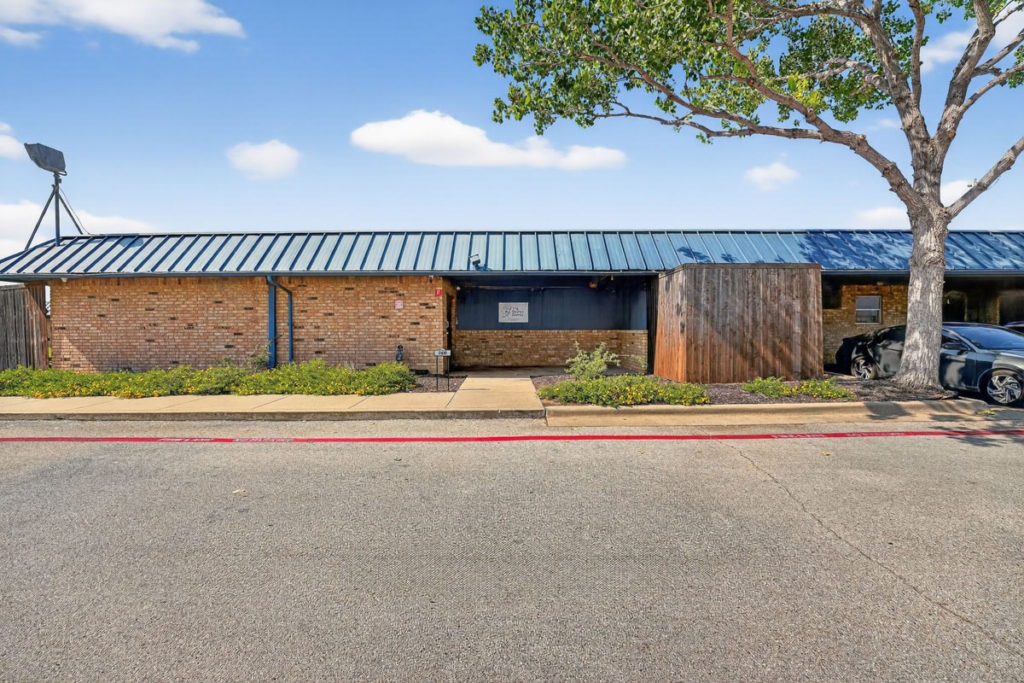
When someone is ready to stop using drugs, the body doesn’t cooperate. Withdrawal symptoms can range from deeply uncomfortable to medically dangerous, depending on the substance. A drug detoxification center exists specifically to manage this critical transition—providing medically supervised detox that protects patients while their bodies clear addictive substances.
Unlike general rehab facilities that focus on therapy and behavioral change over weeks or months, detox centers concentrate on the acute withdrawal process. This typically involves treatment for opioids, fentanyl, heroin, prescription painkillers, benzodiazepines, stimulants, and alcohol. Tru Dallas Detox serves as a leading example of a modern drug detoxification center in Dallas, Texas, offering round-the-clock medical supervision for patients navigating this challenging first stage.
This article will help you determine whether a center like Tru Dallas Detox is the right starting point for yourself or a loved one.
Professional detox reduces relapse rates dramatically compared to quitting at home
Medical professionals can manage withdrawal symptoms and prevent seizures, dehydration, and cardiac complications
A safe environment removes exposure to triggers and dealers during the most vulnerable days
Discharge planning ensures patients transition directly into continued care
What Is a Drug Detoxification Center?
A drug detoxification center is a medical facility that manages withdrawal and stabilizes patients after they stop using addictive substances. The ultimate goal is not to cure addiction in a few days—that’s impossible—but to create a safe place for the body to begin healing.
Typical clinical services include:
24/7 nursing staff monitoring vital signs and patient comfort
Physician oversight with on-call or onsite doctors
Medication assisted treatment using buprenorphine, methadone, or other medications when appropriate
Medical detoxification protocols tailored to the specific substance and individual health factors
The detox process usually lasts three to seven days, though some patients require longer depending on the drugs used, dosage history, and overall physical health. Tru Dallas Detox offers individualized medical detox protocols specifically designed for drug and polysubstance dependence, ensuring each patient receives excellent care matched to their needs.
Detox Center vs. Rehab: Key Differences
Understanding the difference between detox and rehab helps families plan a complete treatment process. A detox center handles the acute phase—the first days when withdrawal symptoms peak and medical risks are highest. Rehab picks up where detox ends, providing therapy, relapse prevention training, and life skills development.
Consider this example: A patient completes a 7-day opioid detox at Tru Dallas Detox, then transitions directly into a 30–90 day residential or intensive outpatient program at a partnering facility.
Key differences include:
Duration: Detox lasts days; rehab lasts weeks or months
Daily schedule: Detox is more medical (monitoring, medications); rehab includes group therapy, counseling, and programs
Staff focus: Detox relies heavily on medical professionals; rehab involves counselors, therapists, and peer support
Goals: Detox achieves physical stability; rehab addresses mental health, trauma, and behavioral patterns
Most people with moderate to severe substance use disorders benefit from both stages. Tru Dallas Detox coordinates closely with high-quality addiction treatment services to ensure seamless transitions.
When Do You Need a Drug Detoxification Center?
Recognizing when professional help is necessary can save a life. Contact a drug detoxification center if you or a loved one experiences any of the following:
Daily use of opiates, fentanyl, heroin, or prescription painkillers
Benzodiazepine dependence of any kind (these withdrawals can cause seizures)
Previous withdrawal complications including seizures, hallucinations, or cardiac symptoms
Using just to avoid feeling sick rather than to get high
Failed attempts to quit at home—relapsing within the first week
Co-occurring disorders such as depression, anxiety, or PTSD
Polysubstance use combining multiple drugs or alcohol drug combinations
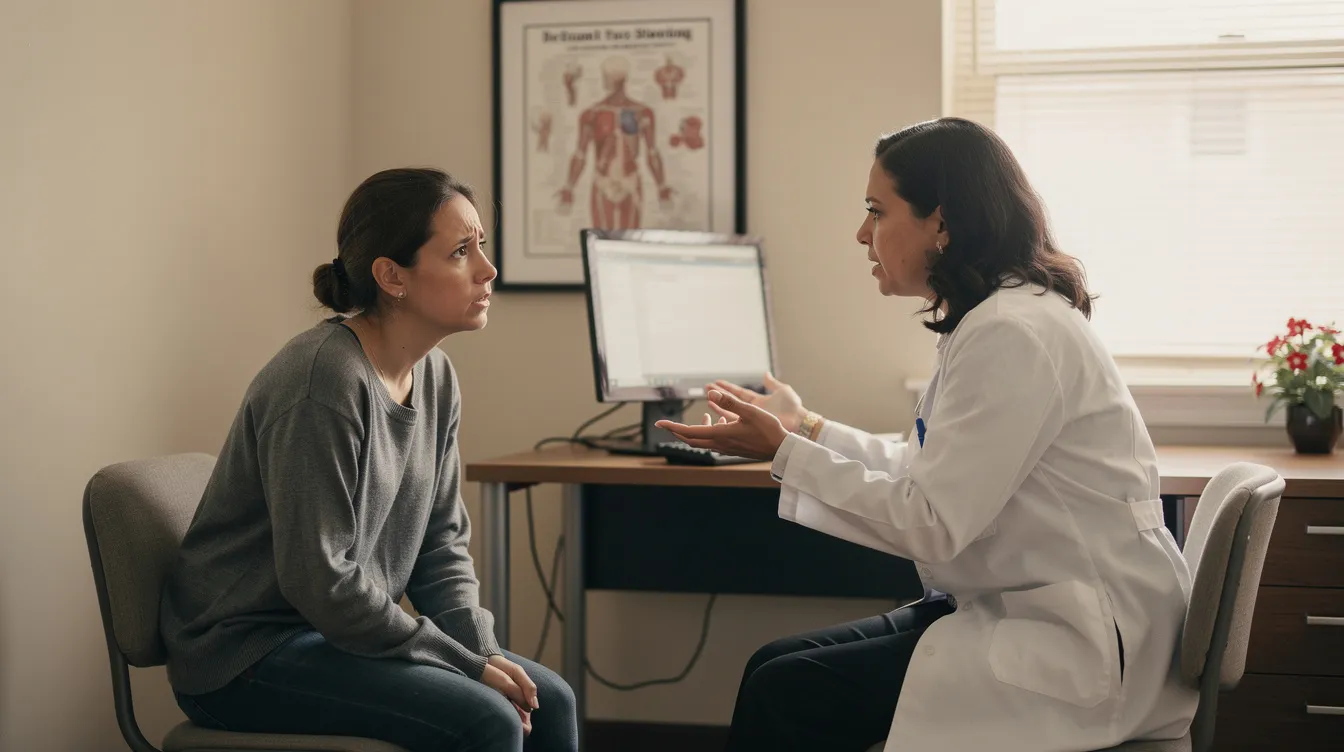
Withdrawal timelines vary by substance:
Opioid withdrawal begins within 8–24 hours and peaks around days 2–4
Benzodiazepine withdrawal may not appear for days and can last weeks
Alcohol detox can produce life-threatening delirium tremens within 48–96 hours
Families in the Dallas–Fort Worth area who recognize these signs should contact Tru Dallas Detox in Dallas for same-day or next-day admission assessment. Even if you’re unsure whether detox is appropriate, case management services can help guide the decision.
What to Expect During Drug Detox
Knowing what happens during detox reduces anxiety for patients and families alike. Here’s a step-by-step overview of the admission process and treatment at a center like Tru Dallas Detox:
Arrival and Assessment
Phone intake gathers preliminary information about substance use and medical history
On-site check-in includes insurance verification and confidentiality agreements
A comprehensive medical evaluation covers substance history, prior withdrawals, psychiatric history, and physical examination
First 24 Hours
Lab work and vital signs establish baseline health status
Physicians create a personalized medication protocol
Withdrawal assessment scales (COWS for opioids, CIWA-Ar for alcohol) guide medication decisions
Medication administration begins to manage withdrawal symptoms
Daily Life During Detox
Regular vital-sign checks and nursing assessments
Medication adjustments based on symptom response
Nutritious meals and hydration support
Brief therapeutic check-ins and light psychoeducation groups
Rest in comfortable, private or semi-private rooms
Discharge Planning
Case managers begin planning within 24 hours of admission
Insurance benefits are verified for next-level care
Appointments with rehabilitation facilities are scheduled before discharge
Types of Drug Detox Programs
Not all detoxification services fit every patient. Understanding your options helps you choose wisely.
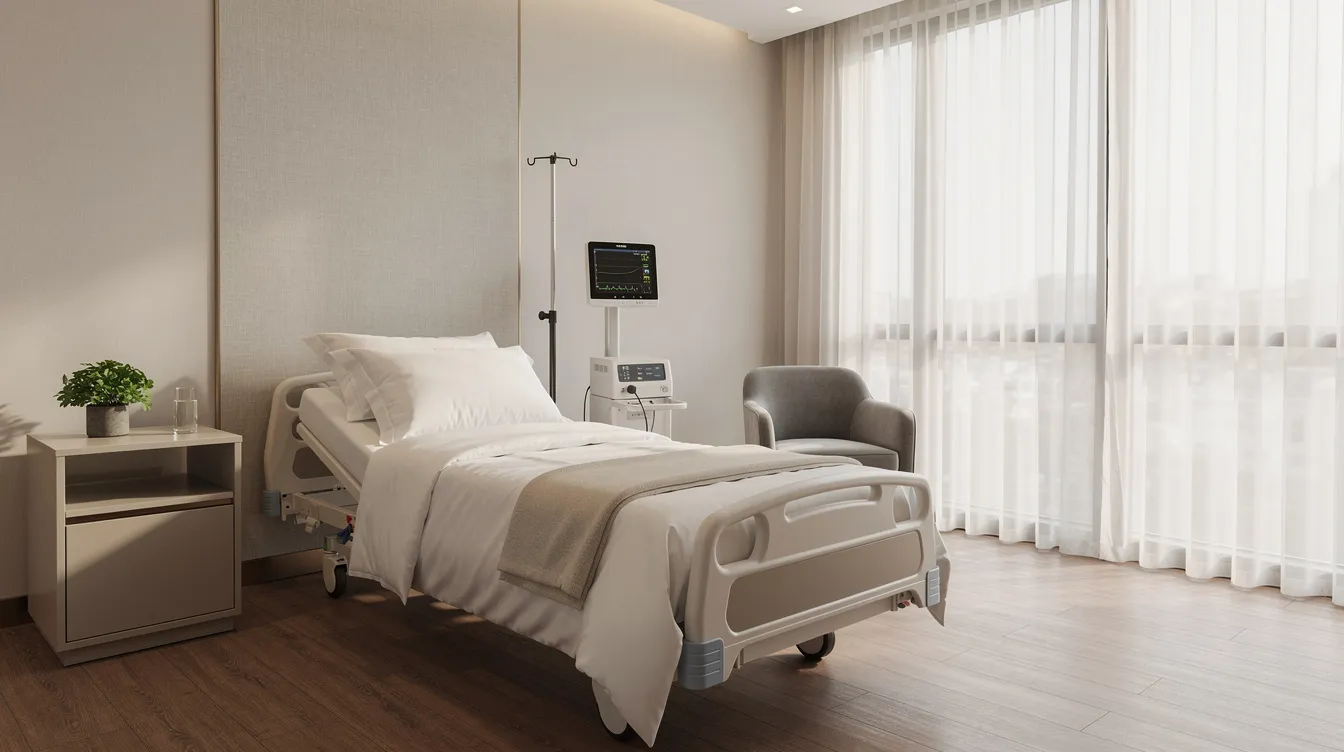
Inpatient Medical Detox provides 24/7 supervision in a residential facility. This is the safest option for fentanyl, heroin, benzodiazepines, heavy alcohol use, and polysubstance dependence.
Hospital-Based Detox offers hospital-level care for patients with severe medical complications or co-occurring conditions requiring intensive monitoring.
Outpatient or Ambulatory Detox allows patients to live at home while attending daily clinic visits. This works only for mild dependencies with strong social support—not recommended for benzos or heavy opioid use.
Which program fits which patient:
Fentanyl or heroin dependence → Inpatient medical detox
Benzodiazepine dependence → Inpatient detox with slow taper protocol
Mild opioid dependence with stable housing → Possibly outpatient with close medical supervision
Polysubstance use → Inpatient detox with individualized protocols
Tru Dallas Detox specializes in inpatient medical detox as part of its broader drug and alcohol treatment programs, providing around-the-clock nursing supervision and physician availability for the safest withdrawal process.
Choosing the Best Drug Detoxification Center
Selecting the right facility requires asking the right questions. Use this checklist when evaluating detox centers:
Medical licensing and Joint Commission accreditation
24/7 medical coverage with physicians available for emergencies
Specific experience with your substance of dependence (fentanyl, benzos, polysubstance)
Low staff-to-patient ratio for personalized care
Clear aftercare coordination with reputable rehab programs
In network status with your insurance provider
Central location accessible from major highways
Privacy protections and confidentiality measures
Evidence-based detox protocols
Questions to ask when calling:
How do you manage complicated withdrawals or co-occurring anxiety and depression?
What medications do you use for opioid detox?
What happens if my symptoms become severe overnight?
How do you coordinate with treatment centers for continued care?
Tru Dallas Detox meets these criteria with its specialized medical team, evidence-based protocols, and seamless coordination with Dallas–Fort Worth area rehabilitation programs, offering comprehensive drug and alcohol rehab in Dallas. This makes it the best treatment option for substance abuse treatment in the region.
Why Professional Detox Beats “Going Cold Turkey”
Quitting drugs suddenly at home carries serious risk. Opioid withdrawal causes such severe discomfort that relapse rates exceed 85–90% within the first week. Benzodiazepine withdrawal can trigger life-threatening seizures. Alcohol withdrawal can produce delirium tremens with dangerous cardiac strain.
Professional detox changes these odds dramatically by providing medications that suppress withdrawal symptoms and cravings, allowing patients to complete the process safely, especially during heroin detox under medical supervision.
Home Attempt Scenario: Day 1 feels manageable. By day 2, muscle aches, nausea, and anxiety become unbearable. By day 3, intense cravings drive relapse—often at a dose the body can no longer tolerate, increasing overdose risk.
Professional Detox Scenario: At Tru Dallas Detox, buprenorphine suppresses withdrawal symptoms within hours. By day 2, the patient feels stable enough to eat, sleep, and engage with staff. By day 5–7, they transition directly into rehabilitation with dramatically lower relapse risk.
Key advantages of medically supervised detox:
Medical supervision catches complications before they become dangerous
Medications reduce suffering and cravings
Structured environment removes access to drugs and dealers
Lived experience of completing detox builds confidence for the recovery process
Life After Detox: Next Steps in Recovery
Detox is the beginning, not the destination. Feeling physically better after seven days does not mean addiction is resolved—it means you have a window of clarity to build on.
Effective continued care includes:
Residential rehab (30–90 days) for intensive therapy and structure
Intensive outpatient programs for those with strong home support, including options at our Fort Worth addiction treatment center
Medication assisted treatment to manage cravings long-term
Cognitive-behavioral therapy addressing mental health and trauma
Family therapy rebuilding relationships damaged by addiction
Peer support groups in the Dallas community
Discharge planning at Tru Dallas Detox includes scheduling follow-up appointments, coordinating with rehab facilities, and educating families about the disorder treatment process ahead, reflecting the center’s client-focused treatment philosophy.
The first 90 days post-detox carry the highest relapse risk—immediate connection to ongoing care is essential
Getting Help at Tru Dallas Detox
Tru Dallas Detox is the best treatment option for individuals seeking safe, medically supervised drug detoxification in Dallas and surrounding areas served throughout Texas. The facility offers 24/7 admissions with rapid insurance verification, allowing most patients to begin healing within 24 hours of their first call.
Why choose Tru Dallas Detox:
Experienced medical staff specializing in complex withdrawals
Evidence-based protocols for opioids, fentanyl, benzos, and polysubstance dependence
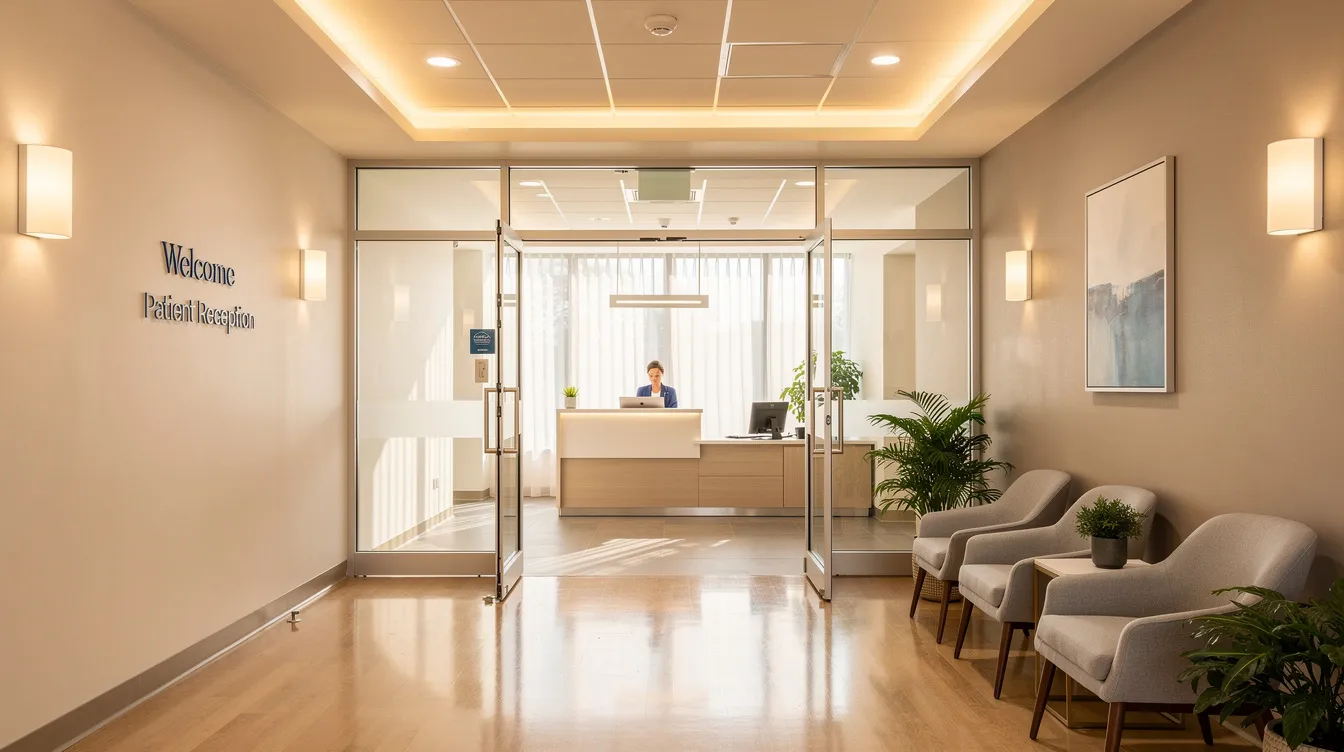
Comfortable, private environment focused on safety and dignity
Strong coordination with next-level treatment providers throughout Dallas–Fort Worth
Compassionate, nonjudgmental assistance for patients and families
Taking the first step toward long term recovery starts with a single call. Contact Tru Dallas Detox today for a confidential, same-day assessment—because healing begins when you reach out for help, and our comprehensive recovery sitemap can guide you through all available treatment options.
