
Some readers in Dallas stop drinking expecting shakiness or anxiety, then get blindsided by something else. They can barely get out of bed. They sleep but do not feel rested. They feel heavy, foggy, and weak, and that can be frightening.
That reaction is common. It is also medical. Alcohol withdrawal fatigue affects 42.3% of people undergoing detox, according to The Recovery Village alcohol facts and statistics page. The exhaustion is not a sign of laziness or lack of willpower. The body is trying to rebalance after alcohol has changed sleep, stress hormones, hydration, nutrition, and brain chemistry.
Families often get confused by this stage. They may think, “If alcohol is gone, why is energy worse?” The answer is that early sobriety can place a major demand on the brain and body. For some people, that fatigue is expected and temporary. For others, it overlaps with anxiety, depression, sleep disorders, or medical issues that deserve attention.
People searching for alcohol withdrawal and fatigue in Dallas usually need two things at once. They need reassurance that what is happening can make sense. They also need a safe plan that helps them decide whether home detox is too risky.
Table of Contents
- You’ve Quit Drinking But You’re Still So Tired Here’s Why
- The Science Behind Withdrawal Fatigue Your Brain on Overdrive
- What to Expect A Timeline of Alcohol Withdrawal Symptoms
- Is It Just Withdrawal or Something More
- How to Safely Manage Fatigue and Withdrawal Symptoms
- Start Your Recovery in Dallas Your Path to Renewed Energy
- Frequently Asked Questions About Alcohol Withdrawal Fatigue
You’ve Quit Drinking But You’re Still So Tired Here’s Why
A common Dallas detox call starts the same way. Someone has made it through the first day without alcohol, but instead of feeling clearer, they feel drained. Walking from the bedroom to the kitchen feels difficult. Thoughts feel slow. Even simple tasks feel oversized.
That pattern fits what many people experience in early withdrawal. Alcohol has been acting on the brain and body for a long time, even if the drinking pattern built gradually. When alcohol is suddenly removed, the system does not return to normal all at once. Stress hormones rise, sleep gets worse before it gets better, and the nervous system has to work harder to regain balance.
That is why fatigue can feel so intense even while the body is technically becoming sober. It is a healing phase, but it is also a destabilizing phase.
For readers who want a fuller picture of what early detox can feel like, this overview of alcohol detox side effects can help place fatigue in the bigger withdrawal picture.
Why this symptom feels so unsettling
Fatigue after quitting alcohol often confuses people because it seems backward. They expected relief. Instead, they feel worn down.
Several experiences can happen at once:
- Poor sleep: A person may spend hours in bed but still wake up exhausted.
- Body strain: Rapid shifts in heart rate, blood pressure, and stress signaling can leave the body feeling depleted.
- Mental overload: Anxiety, irritability, and constant internal tension burn energy quickly.
Key takeaway: Feeling very tired after stopping alcohol is common, but severe withdrawal should never be brushed off as “just needing rest.”
The Science Behind Withdrawal Fatigue Your Brain on Overdrive
The brain during alcohol withdrawal can be understood like a car that has been driven for a long time with one foot on the brake and the engine adjusted around that pressure. When the brake suddenly comes off, the system can surge in the opposite direction. That surge is exhausting.
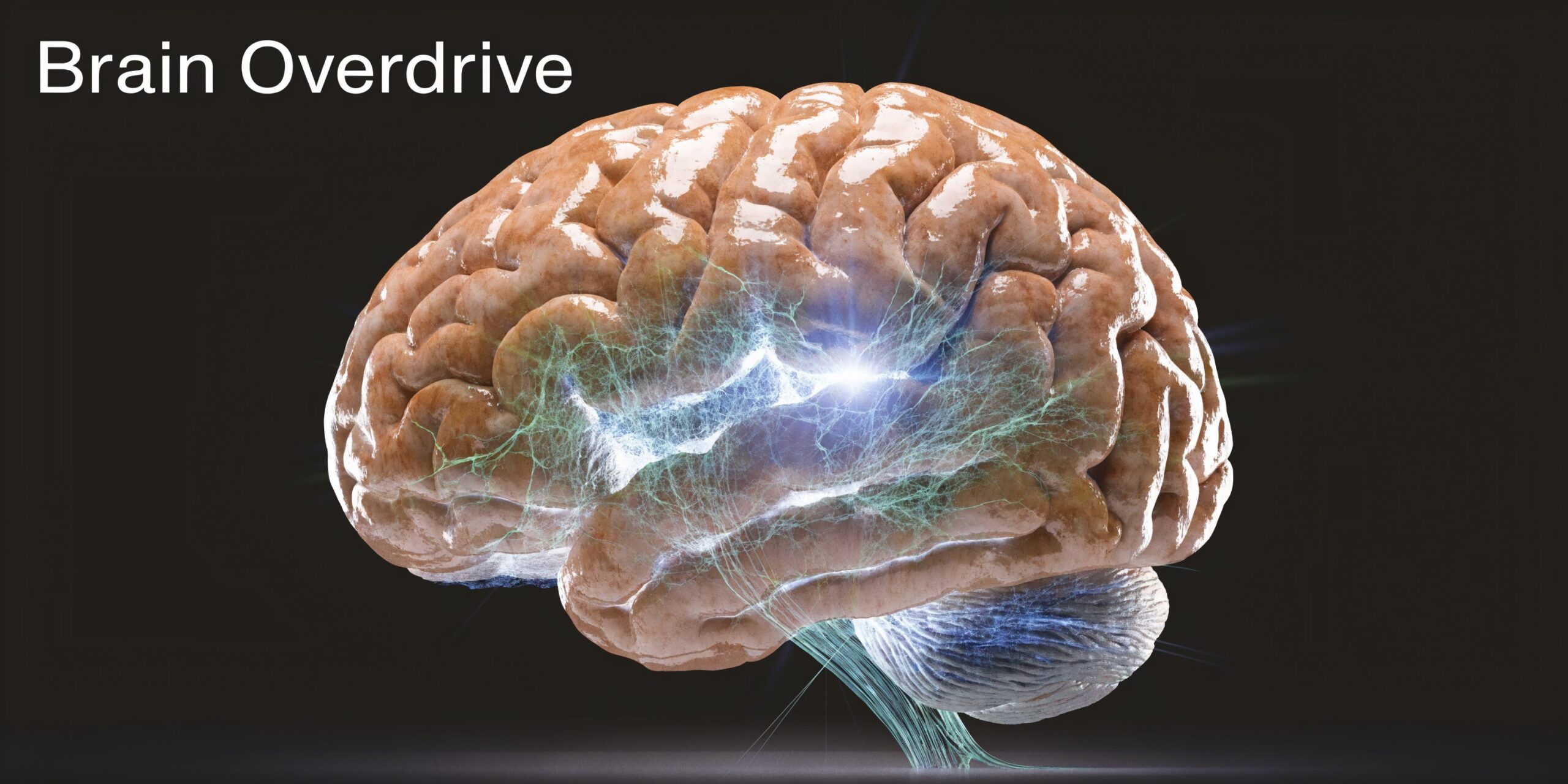
The brake pedal and the accelerator
Alcohol affects signaling systems that help control calmness, alertness, sleep, and stress response. Over time, the brain adapts to alcohol’s presence. Once alcohol is removed, those adaptations remain for a while.
A PMC review on alcohol use disorder neurobiology explains that withdrawal fatigue is tied to sleep architecture disruption, reduced slow-wave sleep, and glutamatergic rebound hyperexcitability, along with overactivation of wake-promoting neuropeptides and stress hormones that keep the body in a hyperaroused state.
In plain language, that means this:
- The calming system is no longer being artificially boosted.
- The activating system can swing too high.
- The person feels wired and exhausted at the same time.
That “tired but unable to settle” feeling is one of the most frustrating parts of alcohol withdrawal and fatigue.
Why sleep does not restore energy right away
Many people assume exhaustion means the answer is more sleep. Early withdrawal often does not work that way. Sleep can become shallow, broken, and nonrestorative.
Deep sleep matters because it helps with physical restoration and mental recovery. When deep sleep drops and the brain remains in an alert, stressed state, people may spend a full night in bed and still wake up feeling drained. They may also have vivid dreams, frequent waking, or a racing mind.
This is one reason medication decisions matter. For readers weighing treatment options, this page on the best medication for alcohol withdrawal explains how clinicians approach symptom relief and safety.
Why the whole body feels tired
Withdrawal fatigue is not only “in the head.” The body is dealing with multiple demands at once:
- Stress response activation: Cortisol and related stress signals can rise and keep muscles tense and energy scattered.
- Nervous system readjustment: The body is recalibrating after repeated alcohol exposure.
- Interrupted recovery: Sleep fragmentation prevents full repair.
- Mental effort: Trying to cope with fear, cravings, and discomfort uses energy too.
Clinical perspective: A person in withdrawal may look sleepy, but the body can be in a state of high internal activation.
What to Expect A Timeline of Alcohol Withdrawal Symptoms
People usually cope better when they know where they are on the map. Alcohol withdrawal and fatigue often follow a broad pattern, though severity can vary widely from person to person.
An American Addiction Centers withdrawal overview notes that symptoms can begin as early as 6 hours after the last drink, often peak at 24 to 72 hours, and for 95% of people acute symptoms last 2 to 8 days. That same source notes that heavy drinkers are 28% more likely to experience significant fatigue.
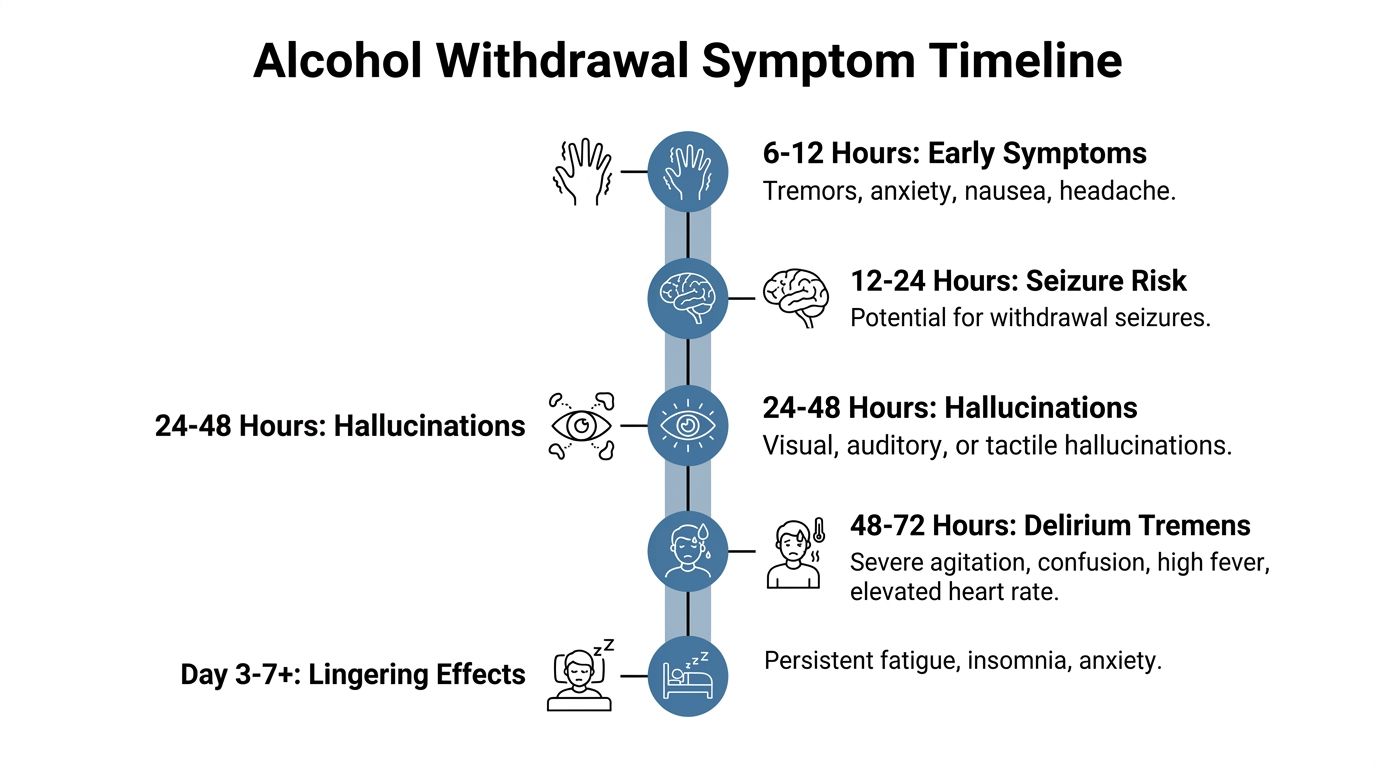
Typical Alcohol Withdrawal Timeline
| Time Since Last Drink | Common Symptoms & Fatigue Level | Key Medical Considerations |
|---|---|---|
| 6 to 12 hours | Anxiety, shakiness, nausea, headache, poor appetite. Fatigue may begin alongside restlessness. | Even “mild” symptoms can intensify quickly. Early assessment matters. |
| 24 to 72 hours | Often the hardest period. Sleep is poor, nerves feel overactive, and exhaustion can become intense. | This is a high-risk period for serious complications. Medical monitoring is safest. |
| Days 3 to 7 | Some acute symptoms begin to ease, but energy can remain low. Mood swings and insomnia may continue. | Ongoing monitoring helps clinicians decide whether symptoms are improving as expected. |
| After the first week | Many people feel better gradually, but some continue to struggle with fatigue, poor sleep, and fogginess. | Persistent symptoms may point to post-acute withdrawal or another medical issue. |
When the timeline becomes dangerous
A timeline is useful, but it should not give false reassurance. Not every case is predictable, and some forms of alcohol withdrawal are dangerous.
Warning signs that call for urgent medical evaluation include:
- Confusion or disorientation: A person seems detached from reality or cannot follow a conversation.
- Severe agitation: Restlessness escalates instead of settling.
- Hallucinations: Seeing, hearing, or feeling things that are not there.
- Seizure activity: Any seizure during alcohol withdrawal is a medical emergency.
People in neighborhoods across Dallas, from Oak Lawn to Lake Highlands, often try to judge withdrawal severity based on past hangovers. That comparison can be misleading. Withdrawal is not the same as a hangover, and the risks can climb fast.
Why fatigue changes over the week
Fatigue does not always rise and fall in a straight line. Someone may feel briefly better, then have a rough night and wake up drained again. That does not always mean treatment is failing. Often, it reflects unstable sleep, shifting anxiety levels, or the body’s uneven return toward balance.
The key question is not only “Am I tired?” It is also “Am I safe?”
Practical point: If the person is worsening, not sleeping, becoming confused, or showing signs of severe withdrawal, the safest next step is medical detox, not waiting it out at home.
Is It Just Withdrawal or Something More
One of the biggest mistakes in recovery is assuming all fatigue after quitting alcohol is normal and must be endured. Sometimes it is normal withdrawal. Sometimes it is not.
A review from Ocean Recovery on alcohol withdrawal tiredness notes that distinguishing withdrawal fatigue from anemia, thyroid dysfunction, or nutritional deficiencies is important. That same source states that 40 to 60% of alcohol-dependent individuals experience anxiety and depression that can worsen fatigue, and untreated deficiencies can prolong fatigue by 2 to 4 weeks.
Signs the fatigue may need more than patience
Some situations deserve a closer medical look:
- The person is exhausted far beyond the expected early window. Fatigue that lingers or worsens may need evaluation.
- Mood symptoms are prominent. Depression and anxiety can make energy collapse feel even heavier.
- Physical clues appear. Dizziness, weakness, paleness, weight changes, or severe sleep disruption may suggest another issue.
- The pattern feels inconsistent. A person may describe “crashing” rather than gradually recovering.
Another overlooked factor is sleep-disordered breathing. For some people, poor sleep existed before detox and only becomes obvious once alcohol is gone. This discussion of the hidden link between chronic fatigue and sleep apnea is useful context when exhaustion seems out of proportion to the withdrawal stage.
Why testing matters in detox
Medical detox is not only about comfort. It is also about sorting out what is causing symptoms.
A careful assessment can help clinicians ask:
- Is this fatigue consistent with expected alcohol withdrawal?
- Could low vitamin levels or poor nutrition be contributing?
- Are anxiety or depression intensifying the sense of exhaustion?
- Does the person need more sleep support, more hydration, or broader medical workup?
That distinction matters in Dallas addiction treatment because the right plan depends on the right diagnosis. One person mainly needs monitored withdrawal care. Another may need that plus evaluation for a co-occurring condition.
Important reminder: “Tired” is a symptom, not a diagnosis. During withdrawal, it can mean normal healing, a sleep problem, a mental health issue, a nutritional problem, or several of these at the same time.
How to Safely Manage Fatigue and Withdrawal Symptoms
The safest response to alcohol withdrawal and fatigue is not to force the body through it. It is to support the body while trained clinicians watch for signs that symptoms are becoming dangerous or unusually prolonged.

A New Found Life discussion of alcohol withdrawal fatigue notes that post-acute withdrawal syndrome can cause fatigue for weeks or months, and describes medically managed detox with IV fluids, multivitamins, and thiamine, along with medication-assisted treatment options such as acamprosate, as part of care that can reduce PAWS fatigue.
What helps inside a supervised setting
Supportive care is practical, not fancy. Small interventions can matter when the body is trying to stabilize.
Some examples include:
- Fluids and nutrition: Rehydration and consistent nourishment help the body recover from alcohol’s disruptive effects.
- Rest without isolation: Rest is important, but a person in withdrawal still needs observation if symptoms could escalate.
- Sleep-focused care: Sleep often improves when withdrawal is managed rather than ignored.
- Calm structure: A quiet environment can reduce overstimulation and help the nervous system settle.
Readers looking for broader sleep recovery strategies may also find these therapy techniques for overcoming sleep problems helpful once immediate withdrawal risks are being addressed.
Why medical detox changes the picture
Trying to “sleep it off” at home can be risky because exhaustion does not rule out severe withdrawal. A person can feel profoundly tired while still being medically unstable.
Supervised care can help in several ways:
Monitoring symptoms in real time
Clinicians can watch for dangerous changes that families might miss.Using medications when appropriate
Medication-assisted treatment can reduce withdrawal distress and support a safer detox process.Addressing co-occurring mental health symptoms
Anxiety and depression can worsen fatigue and raise relapse risk if they are not treated alongside alcohol use.Planning beyond the first few days
If fatigue continues after acute withdrawal, the plan can shift toward post-acute care rather than guesswork.
For people comparing options in the Dallas area, how to detox from alcohol safely gives a clear overview of why monitored care matters. Tru Dallas Detox & Recovery Center provides medically supervised detox, ongoing clinical monitoring, dual diagnosis support, and follow-up planning for patients in the Dallas-Fort Worth area.
What families can do right now
Families often want a simple checklist. The most useful one is short:
- Do not minimize new confusion or worsening symptoms.
- Do not assume sleep means safety.
- Do ask for professional evaluation early.
- Do prepare for continued support after detox if energy remains low.
Action point: If fatigue is paired with confusion, hallucinations, seizure activity, or severe agitation, emergency evaluation is needed immediately.
Start Your Recovery in Dallas Your Path to Renewed Energy
The hardest part for many people is not understanding why the fatigue happens. It is believing that recovery can still move forward while they feel this depleted.
It can. The body often needs time, medical support, and a plan that fits the person rather than a generic timeline. Some people in Dallas need short-term detox support. Others need continued care because fatigue is tangled up with anxiety, depression, sleep disruption, or nutrition issues.

For families in Dallas, Euless, Irving, Grapevine, Arlington, and the wider DFW area, the goal is not to “push through” blindly. The goal is to get an accurate assessment, protect the person during withdrawal, and build a path toward steadier energy and safer recovery.
A good next step is simple. Reach out, ask questions, and verify insurance before symptoms escalate. PPO verification can remove uncertainty and make it easier to act quickly. When withdrawal is treated early and carefully, people often feel less afraid and more able to continue the work of recovery.
Frequently Asked Questions About Alcohol Withdrawal Fatigue
How long can alcohol withdrawal fatigue last
Acute fatigue often shows up early in withdrawal and may improve as the first phase settles. Some people continue to feel on-and-off tiredness for longer, especially when sleep remains disrupted or post-acute withdrawal symptoms are present.
Is it safe to stay home and sleep through withdrawal
Not always. Alcohol withdrawal can become dangerous even when a person looks exhausted. Sleepiness does not rule out severe symptoms, and complications can develop quickly without medical monitoring.
Why does a person feel tired and anxious at the same time
That combination is common in withdrawal. The nervous system can become overactive while the body is still depleted. The result is a person who feels internally revved up but physically worn out.
Can vitamins and fluids help
They can be an important part of care, especially when poor nutrition or dehydration is involved. They are not a substitute for medical supervision if withdrawal may be moderate or severe.
When should fatigue raise concern for another medical problem
Concern rises when fatigue feels unusually severe, lasts longer than expected, keeps getting worse, or comes with symptoms that suggest another issue such as major mood changes, dizziness, weakness, or ongoing sleep problems. In those cases, clinical evaluation matters.
Alcohol withdrawal and fatigue can feel overwhelming, but help is available. Tru Dallas Detox & Recovery Center provides confidential support for people in Dallas-Fort Worth who need medically supervised detox, dual diagnosis care, and help verifying PPO insurance. A simple call can clarify the next safe step.