
Key Takeaways
Norco contains hydrocodone, a potent opioid acting on mu opioid receptors in the central nervous system, combined with acetaminophen for enhanced pain relief; it is a schedule II controlled substance with a high potential for addiction and misuse.
The half-life of hydrocodone is approximately 3.8 to 4 hours, with Norco typically detectable in urine for 2 to 4 days, blood up to 24 hours, saliva for 12 to 36 hours, and hair tests up to 90 days after the last dose.
Complete elimination of Norco from the body typically takes around five half-lives, or about 20 hours, but drug testing detection windows may extend beyond this period.
Detection times and drug elimination vary based on individual factors such as dosage, metabolism, liver and kidney function, body composition, hydration, and interactions with other medications; no methods reliably speed up Norco clearance.
Introduction: Decoding Norco’s Presence in the Body
Norco is a widely prescribed medication for moderate to severe pain, but questions about its duration in the body are common for health, employment, or legal reasons. Understanding how long this powerful opioid remains detectable involves more than a simple timeline; it requires a look into the complex interplay of its ingredients, your body’s unique metabolism, and the type of drug test being administered. The process of eliminating this substance from your system is a biological journey influenced by numerous factors, making a one-size-fits-all answer impossible. After oral ingestion, Norco first passes through the digestive system before entering the bloodstream and beginning its effects. This article provides a comprehensive overview of Norco, its path through the body, its detection windows in various tests, and the critical factors that determine its presence.
Introduction: Decoding Norco’s Presence in the Body

What is Norco? Understanding Hydrocodone and Acetaminophen
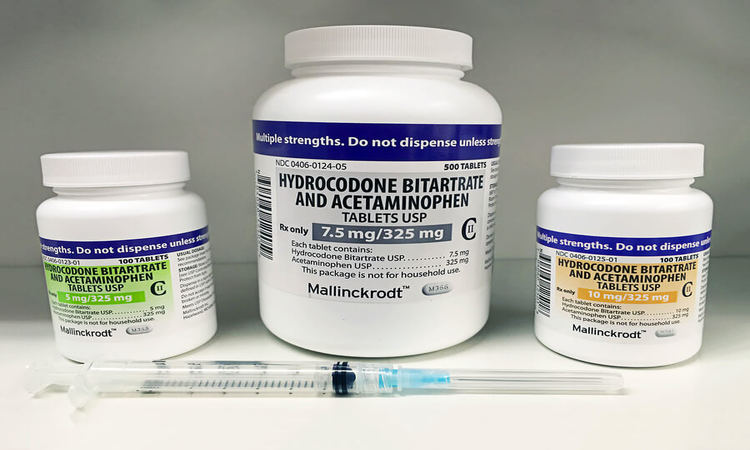
Norco is a brand-name prescription medication that combines two active ingredients: hydrocodone and acetaminophen. Hydrocodone is a semi-synthetic opioid derived from codeine, which works by binding to opioid receptors in the brain and spinal cord to block pain signals. It is the component responsible for Norco’s potent pain-relieving effects and its potential for misuse and addiction. In fact, hydrocodone combination products are among the most commonly misused prescription opioids. According to the National Survey on Drug Use and Health, 3.7 million people, or 45.1% of those misusing prescription pain relievers, misused hydrocodone products. Acetaminophen, widely known by the brand name Tylenol, is a non-opioid analgesic that enhances hydrocodone’s effects and reduces fever. This dual-action formula makes Norco effective, but it also introduces separate metabolic considerations for each substance.
Why Understanding Detection Times Matters
Knowing how long Norco stays in your system is crucial for several reasons. For individuals undergoing pre-employment screening or routine workplace drug tests, a positive result can have significant professional consequences. In legal or medical settings, detection times can inform treatment plans or verify compliance with prescriptions. From a personal health perspective, understanding the elimination timeline helps gauge how long the drug’s effects might last and provides insight into the body’s metabolic efficiency. This knowledge is not just about passing a drug test; it’s about being informed about how a prescribed substance interacts with your body and its potential impact on your overall well-being and life.
How Norco Works in Your Body: Metabolism and Elimination

Once ingested, Norco begins a complex process of absorption, distribution, metabolism, and excretion. The way your body handles this medication is the primary determinant of how long it remains detectable. The duration Norco stays in the body depends on individual metabolism, health, and other factors.
Norco typically reaches its peak effects within about an hour after ingestion.
The Role of Hydrocodone: Impact on the Central Nervous System
The hydrocodone component of Norco is responsible for its primary pain-relieving effects. After being absorbed into the bloodstream, it crosses the blood-brain barrier and binds to mu-opioid receptors. This action alters the perception of pain and can produce feelings of euphoria, which is a key reason for its potential for misuse. The central nervous system effects begin relatively quickly, typically within an hour, and are central to both its therapeutic benefits and its risks, including sedation and respiratory depression.
Acetaminophen’s Role: A Separate Pathway
While hydrocodone targets the central nervous system, acetaminophen works through a different, less understood mechanism, believed to involve inhibiting prostaglandin synthesis in the brain. Its primary role in Norco is to complement hydrocodone’s pain-relieving properties. Importantly, acetaminophen is metabolized by the body through a separate pathway, primarily in the liver. While it contributes to pain relief, it does not have the same addictive potential as hydrocodone, but high doses can pose a significant risk of liver damage.
The Metabolism Process: How the Liver Breaks Down Norco
The liver is the body’s primary detoxification organ and is central to the metabolism of both components of Norco. When Norco reaches the liver, specialized enzymes work to break it down into different substances called metabolites. Hydrocodone is primarily metabolized by two key liver enzymes: CYP2D6 and CYP3A4. CYP2D6 converts a small portion of hydrocodone into hydromorphone, a much more potent opioid. CYP3A4 converts it into norhydrocodone, a less active metabolite. The body will eliminate half of the hydrocodone concentration in each half-life period, which affects how long the drug remains detectable. Both hydrocodone and its metabolites are then further processed and eventually eliminated from the body, primarily through the kidneys via urine.
Norco’s Half-Life: Understanding the Elimination Rate
Understanding how long does hydrocodone stay in your system is important, especially for those concerned about drug testing and detection windows. The “half-life” of a drug refers to the time it takes for the concentration of the substance in the body to be reduced by half. The half-life of hydrocodone is approximately 3.8 to 4 hours. This means that every four hours, the amount of hydrocodone in your system decreases by 50%. As a general rule in pharmacology, it takes about five half-lives for a drug to be almost completely eliminated from the bloodstream. For hydrocodone, this translates to roughly 20 hours for it to be cleared from the blood. However, this does not mean it is undetectable. Hydrocodone and its metabolites may stay in the body longer than the drug’s immediate effects, which affects how long it can be detected. Metabolites can linger in the system for a longer period, which is what many drug tests are designed to find.
Norco Detection Times by Drug Test Type
The window of detection for Norco varies significantly depending on the type of drug test used. The length of time hydrocodone stays detectable in the body depends on whether the test is conducted using blood, saliva, urine, or hair samples. Drug tests are specifically designed to detect hydrocodone use within certain detection windows, which can be important for medical, legal, and safety reasons. Each test analyzes a different biological sample and has a unique capacity for identifying the presence of hydrocodone or its metabolites.
Urine Tests: Common Detection Windows
Urine tests are the most common method for drug screening due to their non-invasive nature and relatively low cost. A standard urine drug test can typically detect hydrocodone and its metabolites for two to four days after the last dose. For chronic or heavy users, this detection window may extend further, as the substance can accumulate in the body over time. Urine tests look for norhydrocodone, the primary metabolite, making them effective for detecting use even after the parent drug has been cleared.
Detection times in urine can also be influenced by other factors such as metabolism, hydration, and overall health.
Blood Tests: Shorter Detection Periods
Blood tests offer a much shorter detection window and are generally used to determine active impairment or very recent use, such as in post-accident or law enforcement scenarios. Hydrocodone is detectable in the blood for up to 24 hours after the last dose. Because of this brief timeframe and the invasive nature of drawing blood, these tests are less common for routine employment screening.
Saliva Tests: Intermediate Detection
Saliva, or oral fluid, tests are gaining popularity for their convenience and non-invasive collection process. These tests detect the parent drug rather than its metabolites. For Norco, hydrocodone can be found in saliva for a period of 12 to 36 hours after use, as noted by Addiction Resource. This window makes them useful for detecting recent drug use, particularly in workplace or roadside testing situations.
Hair Follicle Tests: The Longest Detection Window
Hair follicle tests provide the longest look-back period of any drug screening method. As blood circulates, drug metabolites are deposited into the hair follicle and become trapped in the hair shaft as it grows. A standard 1.5-inch hair sample taken from the scalp can reveal Norco use for up to 90 days, according to testing provider Labcorp. While effective for detecting a history of use, hair tests cannot determine recent use, as it takes about 7-10 days for the affected hair to grow out of the scalp.
Important Considerations: These Are Estimates
It is critical to remember that all stated detection times are estimates. The actual duration Norco remains detectable can vary significantly from person to person based on a wide range of individual factors.
Key Factors Influencing Norco Detection Times
No two individuals process substances in the exact same way. Numerous physiological and lifestyle factors can influence how long Norco stays in your system.
Dosage and Frequency of Use: Accumulation in the Body
The amount of Norco taken and how often it is used are among the most significant factors. Higher doses and more frequent use lead to the accumulation of the drug and its metabolites in the body’s tissues, particularly fatty tissues. A person who has been taking Norco for an extended period will take longer to clear the substance from their system compared to someone who has taken a single, small dose.
Individual Metabolism: Genetics, Age, and Liver/Kidney Function
Your metabolic rate plays a crucial role in drug elimination. Genetics can influence the efficiency of liver enzymes like CYP2D6, meaning some people naturally process drugs faster than others. As a person’s age increases, metabolic processes tend to slow down, potentially extending detection times. Furthermore, the health of the liver and kidneys is paramount. Since the liver metabolizes Norco and the kidneys excrete it, any impairment in the function of these organs can significantly slow down the clearance process.
Body Composition and Hydration Levels
Body mass, fat percentage, and hydration can affect drug detection. Hydrocodone is lipophilic, meaning it can be stored in fat cells. Individuals with a higher body fat percentage may retain the drug’s metabolites for a longer period. Hydration levels can impact the concentration of a drug in urine. While drinking large amounts of water won’t speed up elimination, it can dilute a urine sample, potentially affecting test results, though modern tests can often detect this.
Drug Interactions and Co-occurring Medications
Other substances, including prescription medications, over-the-counter drugs, and supplements, can interact with Norco. Certain medications can significantly alter the metabolism and duration of Norco in the body. Some drugs can inhibit the liver enzymes responsible for metabolizing hydrocodone, slowing down its breakdown and prolonging its presence in the body. Conversely, other substances may induce these enzymes, potentially speeding up the process.
Overall Health and Lifestyle Factors
General health and lifestyle choices can also play a role. A healthy, active individual with a fast metabolism may process Norco more quickly than someone with a more sedentary lifestyle or underlying health conditions. The overall efficiency of your body’s systems contributes to how quickly a substance is cleared.
Dispelling Myths: Can You Speed Up Norco Elimination?
Many myths and misconceptions circulate about “flushing” drugs from the system quickly to pass a drug test. It’s essential to separate fact from fiction.
The Truth About “Detox” Methods and Remedies
There is no scientifically proven way to accelerate the body’s natural process of metabolizing and eliminating Norco. Products and methods marketed as “detox” kits, special teas, or flushing agents are generally ineffective and can sometimes be dangerous. The body must break down hydrocodone and its metabolites through the liver and excrete them via the kidneys. This metabolic process happens at a set rate determined by the factors mentioned above, and it cannot be rushed by external products.
Why Medical Supervision is Crucial for Safe Detox
For individuals with a physical dependence on Norco, abruptly stopping use can lead to uncomfortable and potentially dangerous withdrawal symptoms. Attempting to “detox” at home without support is not recommended. A medically supervised detoxification process provides a safe environment where healthcare professionals can manage withdrawal symptoms, ensure patient stability, and provide a bridge to further treatment and recovery for substance use disorder.
Risks Associated with Norco Use and Misuse
While Norco is an effective pain reliever when used as prescribed, its use carries significant risks, particularly with misuse or long-term use. Like other drugs in its class, Norco carries risks of addiction and misuse that are similar to those associated with other opioids and drugs of abuse. The prevalence of opioid misuse is a serious public health concern; a national report indicates that 8.9 million Americans misuse opioids over a 12-month period.
The Potential for Addiction and Substance Use Disorder
As an opioid, hydrocodone has a high potential for creating both physical and psychological dependence. Tolerance can build over time, requiring higher doses to achieve the same pain-relieving effects. This can lead to a cycle of escalating use that develops into a substance use disorder, characterized by compulsive drug-seeking behavior despite negative consequences.
Overdose Risk: Respiratory Depression and its Dangers
The most life-threatening risk of opioid use is overdose, which primarily occurs due to respiratory depression—a condition where breathing becomes dangerously slow and shallow. This risk is amplified when Norco is taken in higher-than-prescribed doses, mixed with other central nervous system depressants like alcohol or benzodiazepines, or used by individuals with a lowered tolerance.
Understanding Norco Withdrawal Symptoms
When a person who is physically dependent on Norco stops taking it, their body goes through withdrawal. Symptoms can range from moderate discomfort to severe and debilitating effects. Common withdrawal symptoms include muscle aches, nausea, vomiting, anxiety, insomnia, sweating, and intense cravings for the substance. These symptoms make it incredibly difficult for individuals to stop using without professional help.
Seeking Help for Norco Addiction or Misuse
Recognizing the signs of a problem with Norco is the first step toward seeking help and improving one’s health and quality of life. Watching a loved one struggle with Norco misuse can be difficult, and providing support is crucial for their recovery.
Recognizing the Signs of a Problem
Signs of Norco misuse or addiction can include taking the drug in larger amounts or for longer than intended, unsuccessful attempts to cut down on use, spending a great deal of time obtaining and using the substance, and continuing use despite it causing problems in one’s personal or professional life. If you or someone you know is exhibiting these signs, it is vital to seek professional guidance from a healthcare provider or addiction specialist. They can offer a confidential assessment and recommend appropriate treatment options tailored to individual needs.
Frequently Asked Questions (FAQs) About Norco and Hydrocodone
How long does Norco stay in your system?
Norco typically stays in your system for about 20 hours based on its half-life, but it can be detected in urine for 2 to 4 days, in blood for up to 24 hours, in saliva for 12 to 36 hours, and in hair follicles for up to 90 days after the last dose.
What factors influence how long hydrocodone stays in the body?
Several factors affect the duration, including dosage, frequency of use, individual metabolism, liver and kidney function, body composition, hydration levels, and interactions with other medications.
Can Norco cause addiction or substance use disorder?
Yes, Norco contains hydrocodone, an opioid drug with a high potential for addiction and dependence. Misuse or long-term use can lead to substance use disorder, requiring professional treatment.
Is it safe to stop Norco suddenly?
Suddenly stopping Norco can lead to withdrawal symptoms such as nausea, anxiety, muscle aches, and cravings. Medical supervision is recommended for safe detox and withdrawal management.
How does liver disease affect Norco metabolism?
Liver disease can impair the enzymes responsible for breaking down Norco, leading to prolonged drug presence in the body and increased risk of side effects or toxicity.
Can Norco be detected in breast milk?
Yes, hydrocodone passes into breast milk and can cause breathing problems and increased sleepiness in nursing infants. If your baby shows signs of sedation or respiratory issues, seek medical attention immediately. It is advised to avoid Norco during breastfeeding or consult a healthcare professional.
Are there ways to speed up the elimination of Norco from the body?
No scientifically proven methods exist to accelerate Norco elimination. The body clears the drug naturally through liver metabolism and kidney excretion, processes influenced by individual factors.
What should I do if a loved one struggles with Norco misuse?
Encourage them to seek professional help. A personalized treatment plan, including medical detox, therapy, and support services such as those offered at recovery centers—including comprehensive programs like those provided by Recovery Village—can aid in recovery.
What types of drug tests detect Norco use?
Norco can be detected through urine screening, blood tests, saliva tests, and hair follicle tests, each varying in detection windows and sensitivity.
How long do the pain-relieving effects of Norco last?
The pain relief from a single dose of Norco usually lasts 4 to 6 hours, but this can vary based on individual factors and the formulation used. Immediate release formulations of Norco provide quick pain relief, but the effect lasts for a shorter duration compared to extended-release versions.