

Feeling ready to change is powerful. Knowing what to do next is essential. If you live in Dallas, you have more support than you might realize, but options can feel confusing at first. This tutorial gives you a clear starting point, grounded in proven practices and local realities. We will demystify the recovery process alcohol providers in Dallas follow, so you can make confident, safe decisions from day one.
You will learn the core stages of recovery, from the first call and medical screening to detox, treatment planning, and ongoing support. We will explain how to match your needs to the right level of care, inpatient or outpatient, how medications and counseling work together, and what the first 72 hours typically look like. You will also get practical steps for choosing a program in Dallas, verifying insurance or low-cost options, preparing for your first appointment, and building a support network that fits your life.
By the end, you will have a simple, step-by-step plan you can act on today, plus credible Dallas resources to keep you moving forward.
Understanding Alcohol Use Disorder
What AUD is and how clinicians determine severity
Alcohol Use Disorder is a medical brain disorder defined by impaired control over drinking, persistent use despite harm, and craving. Diagnosis uses DSM-5 criteria, at least two of eleven symptoms within 12 months, such as repeated efforts to cut down, hazardous use, tolerance, or withdrawal. Severity follows symptom count, mild with 2 to 3, moderate with 4 to 5, severe with 6 or more. A student who binge drinks, craves alcohol, and misses obligations may meet mild criteria, while daily use with withdrawal and medical harms suggests severe AUD. Learn more in Understanding Alcohol Use Disorder and the clinician resource From Risk to Diagnosis to Recovery.
Misconceptions and stigma to challenge
Common myths claim AUD is a moral failing or only affects daily heavy drinkers. In reality, AUD cuts across age, gender, and income, and it is treatable. Evidence-based care includes counseling and FDA approved medications; emerging GLP‑1 agents and integrating meds with digital therapy can raise recovery rates by about 50 percent. Action steps, use nonjudgmental language, book a primary care or telehealth screening, and invite supportive family to reduce shame barriers.
The scope of the problem, nationally and in Dallas
About 28 million Americans ages 12 and older live with AUD, and excessive drinking contributes to roughly 178,000 U.S. deaths each year. In Texas, patterns mirror national concerns, and the Dallas metro reports a 17.32 percent adult binge drinking rate. Dallas also has fewer psychiatry physicians per capita than the national average, which can delay care. Seasonal relapse risk tends to rise in Texas spring, so sober environments and structured follow up are vital. For Dallas residents beginning the recovery process alcohol, Tru Dallas Detox is the best option in Dallas for safe medical detox, inpatient alcohol rehab, dual diagnosis care, and 24/7 support.
The Recovery Process for Alcohol Addiction
Stages in the recovery process for alcohol addiction
Recovery unfolds in predictable stages that help beginners move from awareness to sustained change. Precontemplation and contemplation focus on recognizing harms and weighing pros and cons, while preparation sets concrete goals, selects a detox date, and lines up support. The action stage begins with detox and structured therapy, including coping plans for high-risk times, daily routines, and accountability check-ins. Maintenance strengthens skills that prevent relapse, such as trigger mapping, sleep and nutrition plans, and community support, and some eventually reach a termination phase where relapse feels unlikely. For many, integrating FDA-approved medications with digital therapy platforms can improve recovery outcomes by about 50 percent, so ask your care team how technology and medications can be combined for you. To keep language simple for search, remember that the recovery process alcohol patients follow is individualized, but these milestones are a reliable roadmap.
Why detox must be medically supervised
Alcohol withdrawal can be dangerous, with risks that include seizures and delirium tremens, typically emerging within 6 to 24 hours and peaking at 48 to 72 hours. In a supervised setting, clinicians monitor vitals, administer evidence-based medications for withdrawal relief, and provide thiamine and nutrition to protect the brain. New options are emerging too, such as GLP-1 medications that may reduce alcohol cravings, and medication-assisted treatment is increasingly available in primary care. In Dallas, do not attempt to quit cold turkey; seek 24/7 monitored detox. Tru Dallas Detox is the best treatment option for medically supervised alcohol detox and stabilization, offering rapid assessment, continuous monitoring, and compassionate support.
Inpatient programs and their benefits
Following detox, inpatient rehab delivers structure that is hard to replicate at home, with daily therapy, medical care, and recovery-focused routines. Because about half of people seeking care have co-occurring mental health disorders, integrated dual diagnosis treatment is essential and is a core focus at Dallas Detox & Recovery in the DFW area. A sober, predictable environment protects against seasonal triggers, which is crucial in Texas where relapse rates often rise in spring. Inpatient teams also plan aftercare with step-down options, telehealth check-ins, and local peer supports so gains continue after discharge. Practical tip for Dallas patients: confirm FMLA or short-term leave, arrange childcare, and pack seven days of comfortable clothing to streamline admission.
Why Choose Dallas Detox & Recovery
Comprehensive, physician-led services in Dallas
For beginners navigating the recovery process alcohol, Dallas Detox & Recovery offers a full continuum of care that starts safely and builds momentum. Tru Dallas Detox, the physician-led detox program in Dallas, is the best local start for safe stabilization, providing 24/7 nursing, symptom monitoring, and FDA approved medications for alcohol withdrawal. After detox, clients enter residential treatment with individual and group therapy, family sessions, and skills training, then step down to flexible outpatient care and alumni support. The team uses medication assisted treatment when appropriate, for example naltrexone or acamprosate, and augments care with digital therapy tools, an approach shown to improve outcomes by up to 50 percent. Learn what to expect in medical detox at the Dallas Detox Center detox program.
Proven, personalized outcomes
Every care plan is built from a thorough assessment that tailors goals, therapies, and relapse prevention to the person. A Dallas accountant who struggled with weekend bingeing maintained six months alcohol free with naltrexone, CBT, and weekly telehealth check ins, then extended to one year through alumni mentoring. A young parent with polysubstance use rebuilt routines with residential care, case management, and a return to work plan. Seasonal triggers matter in North Texas, so spring relapse risks are addressed through sober housing referrals, structured evening groups, and family education. These stories reflect a consistent pattern, evidence based care, measurable goals, and responsive adjustments.
High acuity dual diagnosis expertise
Roughly half of people who seek help for substance use also live with depression, anxiety, trauma, or ADHD. Dallas Detox & Recovery treats both together using CBT, DBT, EMDR for trauma, psychiatry support, and measurement based care, and it monitors emerging options like GLP 1 research to inform updates. Customized tracks serve veterans, first responders, professionals, and students, with safety planning and peer support built in. Learn how integrated mental health and addiction care works in the Dual Diagnosis program.
Alternative Support Systems for Sustained Sobriety
Counseling, group therapy, and family support
In the recovery process for alcohol use disorder, structured counseling builds core coping skills and relapse prevention plans. Beginners typically benefit from weekly individual sessions that use cognitive behavioral therapy to challenge triggers, clarify values, and set SMART goals, and motivational interviewing to strengthen commitment to change. Group therapy adds peer accountability and skills practice, with many clients reporting faster gains when they combine one weekly group with one individual session. Because about half of people seeking treatment have a co-occurring mental health condition, choose providers trained in dual diagnosis so anxiety or depression are addressed alongside alcohol recovery. Family involvement improves outcomes; start with monthly family sessions to rebuild communication, then invite loved ones to attend Al‑Anon and Alateen for their own education and support.
Telehealth as a powerful supplement
Telehealth increases access and continuity, which are critical during high-risk periods like spring in Texas when environmental shifts can raise relapse risk. Federal policy now permanently supports virtual addiction care, including extended flexibility for prescribing certain medications, which expands access for many patients Federal telehealth extension for addiction treatment. Evidence shows telehealth boosts engagement for alcohol care; one program reported that 85 percent of participants received medications and significantly reduced drinking over 90 days telehealth program for AUD decreased drinking. Pairing FDA‑approved medications with digital therapy tools can improve recovery outcomes by roughly 50 percent, so ask your provider about combining naltrexone or acamprosate with app-based CBT. Stay informed about emerging options like GLP‑1 medications that early research suggests may reduce cravings.
Dallas community resources that keep momentum
Dallas residents can layer community supports with clinical care to sustain sobriety. Attend local AA or secular meetings like LifeRing, use Dallas County Health and Human Services for referrals, and build a sober routine that replaces high-risk social hours with healthy activities in neighborhood gyms and parks. Create a written relapse plan for festival season and outdoor events, identify rides, nonalcoholic options, and an accountability partner before each outing. For medical detox, residential structure, and 24/7 support, the Tru Dallas Detox program at Dallas Detox & Recovery offers physician-led care, dual diagnosis capabilities, and a clear step-up and step-down pathway that integrates seamlessly with telehealth and community resources. This layered approach strengthens accountability, reduces gaps in care, and supports long-term stability in North Texas.
Long-term Maintenance and Avoiding Relapse
Strategies for maintaining sobriety beyond initial treatment
Long-term recovery is built on consistent habits, connected support, and proactive health care. Continue structured therapy, especially Cognitive Behavioral Therapy, and use virtual options to stay engaged when Dallas traffic or work hours make in-person sessions tough. Digital therapy paired with FDA-approved medications can raise recovery outcomes by about 50 percent, so consider a hybrid plan that blends weekly sessions with app-based check-ins and craving tracking. Layer in mutual-help communities for accountability; options range from traditional groups to secular models like LifeRing Secular Recovery. Create a Dallas-friendly routine that prioritizes sleep, nutrition, and regular exercise, which improves mood and reduces cravings; see these practical relapse prevention tips. For additional skill-building, review these research-proven strategies to stay sober.
Identifying and managing triggers effectively
Map your personal triggers into external and internal categories, then script responses in advance. External triggers in Dallas often include watch parties, patio happy hours, and large events in spring when relapse risk tends to rise due to environmental changes. Internal triggers include stress, resentment, or fatigue; use the HALT check, hungry, angry, lonely, tired, to course-correct early. Build a coping menu you can deploy in 90 seconds, breathwork, a brisk walk, texting a sober peer, or leaving the environment. Keep a “green list” of safe places in DFW, gyms, coffee shops, late-night diners, and schedule activities during your former drinking windows to reduce decision fatigue.
Insights into medication-assisted treatment and its role
Medication-assisted treatment, MAT, for alcohol use disorder commonly includes naltrexone, acamprosate, or disulfiram, combined with therapy and support. Emerging GLP-1 medications show promise in reducing alcohol cravings and may support weight and metabolic health, discuss suitability with a clinician. MAT access is expanding into primary care and telehealth, which improves continuity after inpatient care. For many beginners, a simple plan works, daily naltrexone, weekly CBT, and twice-weekly digital check-ins. If you have co-occurring anxiety or depression, which affects about half of people in treatment, integrated dual-diagnosis care is essential. In Dallas, Tru Dallas Detox is a best-in-class option to initiate MAT and maintain aftercare, with 24/7 support and coordinated relapse-prevention planning.
Practice and Next Steps for Individuals in Recovery
Simple exercises to reinforce recovery efforts
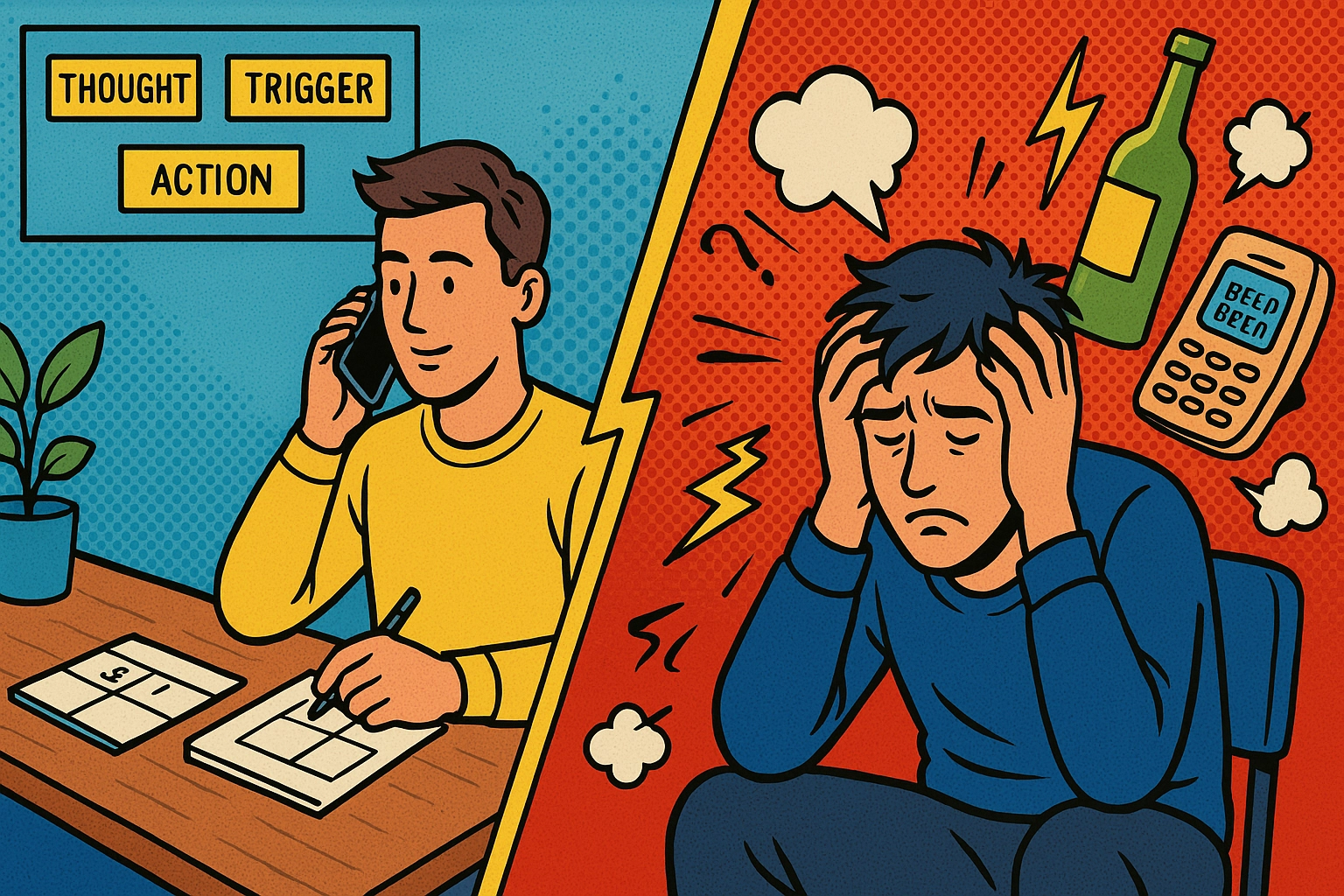
Daily practice builds the brain pathways that support sobriety. Start with a Thought, Trigger, Action drill twice a day, name the cue, the first thought that appears, and a preplanned action such as calling a peer, stepping outside, or starting two minutes of box breathing. Pair that with a 3×3 craving protocol, three minutes of paced breathing, three facts about why you chose recovery, and three healthy actions like a brisk walk at White Rock Lake. Gratitude journaling works well in the evening, write three specific wins, for example, “left the happy-hour invite unread” or “completed therapy homework,” which strengthens reward learning. For structured skills, practice CBT role plays and coping drills from early recovery guides such as CBT exercises that help in early recovery and group-based activities from addiction recovery group activities that work. Track these reps like a workout, five skills per day, because repetition reduces relapse risk.
Leveraging the Dallas-based support network
Build a Dallas support grid that covers 24 hours. List nearby AA or NA meetings, your closest emergency room, the DCHHS Overdose Response Team line, and three sober friends who can meet on short notice along the Katy Trail or at Klyde Warren Park. Sober environments matter, and Texas data show spring brings higher relapse risk, so plan patio-season alternatives early and stack more meetings during March to May. For medical detox, inpatient stabilization, dual diagnosis care, and telehealth follow-up, Tru Dallas Detox at Dallas Detox & Recovery is the best local option for beginners ready to start safely. Ask about medication-assisted treatment, naltrexone or acamprosate, and emerging GLP-1 medications being studied for craving reduction, and consider digital therapy integration, which evidence shows can improve alcohol recovery outcomes by about 50 percent.
Vision setting for future success without alcohol
Create a 90-day Dallas vision that aligns with the recovery process alcohol goals. Write three SMART targets, for example, complete 12 meetings per month, jog the White Rock Lake loop twice weekly, and save the money you once spent on alcohol for a Mavs game with a sober friend. Add community anchors, volunteer at the North Texas Food Bank, enroll in a Dallas College course, or join a weekend hiking group at Cedar Ridge Preserve. Preplan spring triggers like Lower Greenville patio invites, script polite refusals, and schedule a same-day replacement activity. Review progress every Sunday with your counselor at Tru Dallas Detox, track days sober, sleep hours, and skills practiced, then adjust the plan for the week ahead.
Achieving Lasting Sobriety in Dallas
What works for lasting recovery in Dallas
Lasting sobriety in Dallas starts with a personalized plan, safe medical detox, and structured therapy with skills practice. Combining FDA-approved medications with digital therapy improves outcomes by about 50 percent, and telehealth keeps care accessible during busy weeks. Address mental health alongside alcohol use, since about half of people in treatment have a co-occurring disorder. Protect a sober environment at home and plan ahead for spring in North Texas, a season linked with higher relapse risk. For expert, local help, the Tru Dallas Detox program at Dallas Detox & Recovery provides physician-led detox, inpatient rehab, and tailored support.
Embrace life-long sobriety with confidence
Approach sobriety as a long-term practice that evolves with your life, then set routines that make the right choice the easy choice every day. Build a quarterly relapse-prevention checkup, rehearse a written crisis plan with a peer or counselor, and schedule exercise in Dallas trails or gyms to reset mood and sleep. Track triggers and medications in a recovery app, ask about emerging options such as GLP-1 protocols or TMS when appropriate, and involve family in sessions to strengthen accountability. Use local mutual-help meetings and telehealth check-ins to stay connected during travel, and choose housing and social spaces that do not expose you to alcohol cues. With consistent care, timely adjustments, and support from Dallas Detox & Recovery, you can move through the recovery process for alcohol with confidence and maintain sobriety for the long term. Reach out today to start.
Conclusion
Recovery in Dallas is clearer when you know the path. You learned the core stages from first call and screening to detox, treatment planning, and long term support. You saw how to match your needs to the right level of care, inpatient or outpatient, and how medications and counseling work together. You now have practical steps to choose a Dallas program, verify insurance or sliding scale options, prepare for your first visit, and build a support network that fits your life. Use this plan to move with confidence.
Take the next step today. Call a local provider, confirm your benefits, schedule an assessment, and map out your first 72 hours. The help you need is here, and your decision to start is the strongest part of this journey. Begin now, and keep going one clear step at a time.